
Post-Press Costs
Post-press, this intricate process transforms flat printed sheets into the finished cards you hold in your hands. Let’s delve into this fascinating world, exploring the various steps, potential costs, and strategies for optimizing your budget.
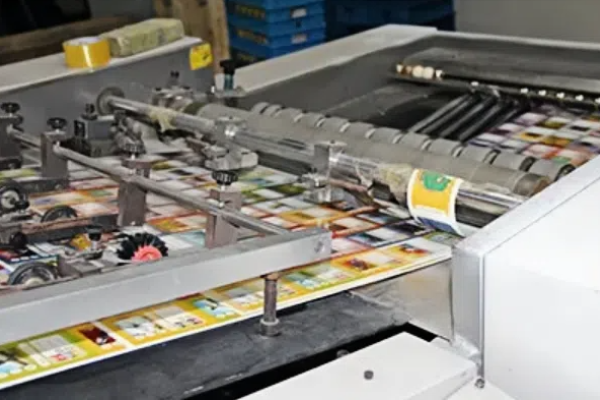
The journey of your cards doesn’t end at the printer. After the vibrant colors and sharp designs come to life on press, a must stage known as post-press takes over. This intricate process transforms flat, printed sheets into the finished cards you hold in your hand. Let’s explore the essential cost elements of post-press:
1. Drying
Freshly printed ink requires time to fully cure. Depending on the type of ink and printing process, the cards may be dried using several methods, each with different costs:
The drying process consumes energy, and costs depend on the specific drying system and energy rates. We will automatically match your project with the most cost-effective drying method. However, if a quick turnaround is required, a more expensive drying system (such as UV drying) might be necessary.
2. Trimming & Rounding
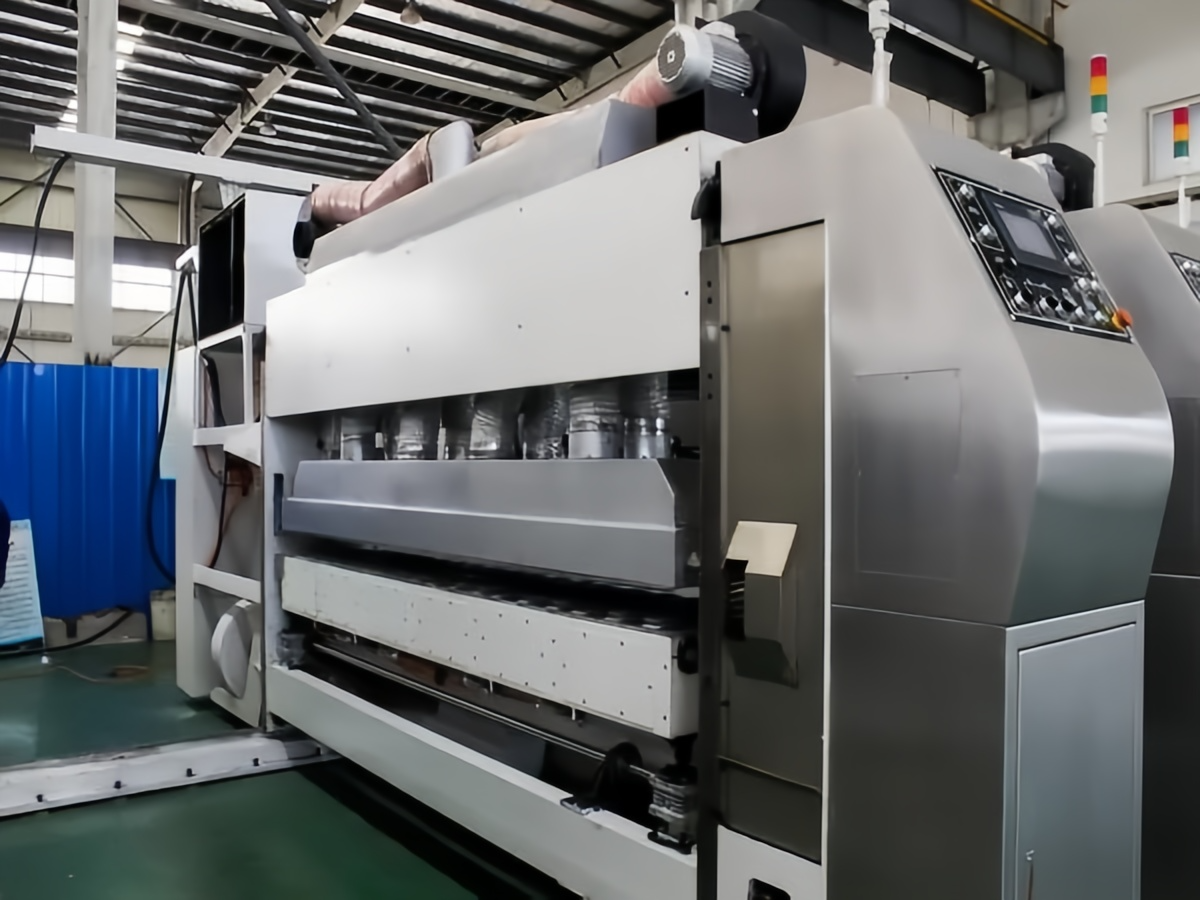
Large printed sheets are transformed into individual cards through a trimming process. Precision cutting machines ensure consistent card sizes. These machines can automatically handle the trimming and splitting process as long as the card size falls within a reasonable range. However, if the card size is too large or too small (such as 25x100mm or 41x63mm), manual splitting may be required after trimming, resulting in higher labor costs compared to machine operation.
We currently offer over 100 dies of various sizes for free to accommodate different design needs. If your card size does not fall within the range of these common dies, a custom die will be necessary, incurring additional customization fees of approximately $480-500.
Rounded corners are a common feature for playing cards or game cards, adding elegance and preventing sharp edges. This is also done automatically by the machine and is relatively inexpensive. If you prefer to keep the corners right-angled, you can save on this part of the process.
General Formula:
Trimming Costs = Number Of Sheets x Unit Price (minimum costs included)
Splitting Costs = Number Of Sheets x Unit Price
Rounding Costs = Number Of Sheets x Unit Price (minimum costs included)
3. Deck Matching (Optional)
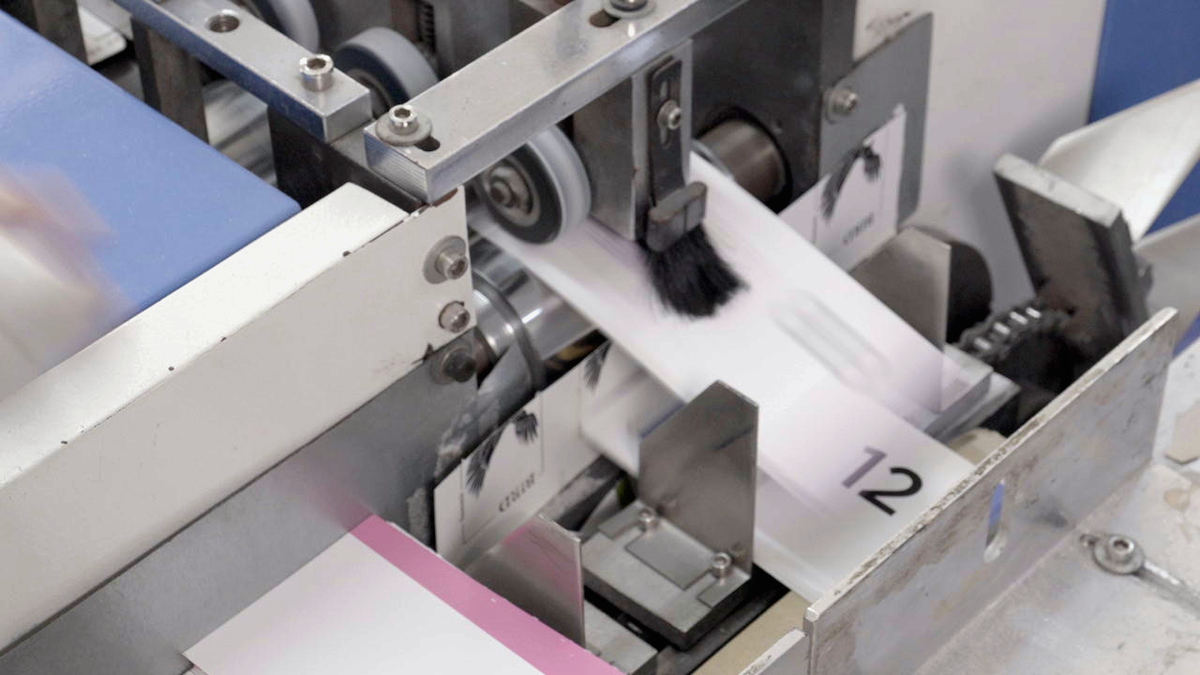
When a deck of cards is composed of two or more sheets, it needs to be matched. This ensures a complete and balanced deck with no duplicates or missing cards.
Especially for Trading Card Games, which often come in large quantities and with different levels of rarity, a significant amount of collation work is required. Automated matching machines can handle common collation rules, but sets involving irregular pairings or special inserts need to be sorted manually, leading to longer processing times and higher costs. Therefore, for large TCG projects, this aspect may represent a significant and unavoidable cost.
General Formula:
Matching Costs = Number Of Sheets x Unit Price
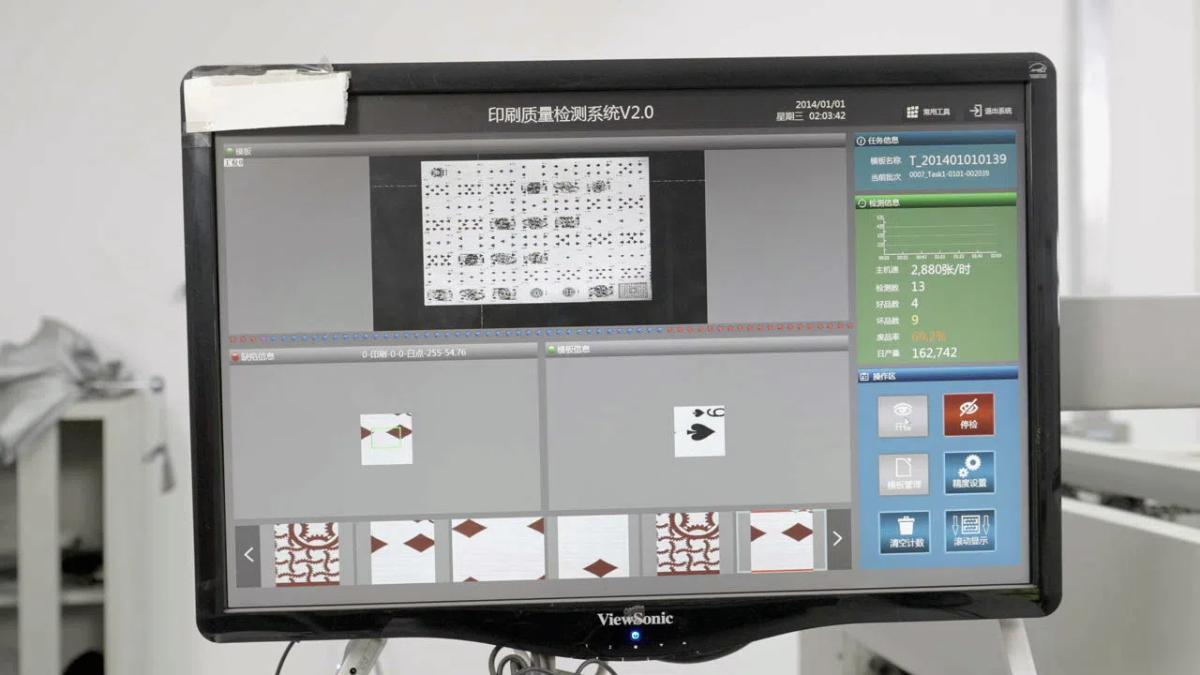
4. Full Inspection & Testing
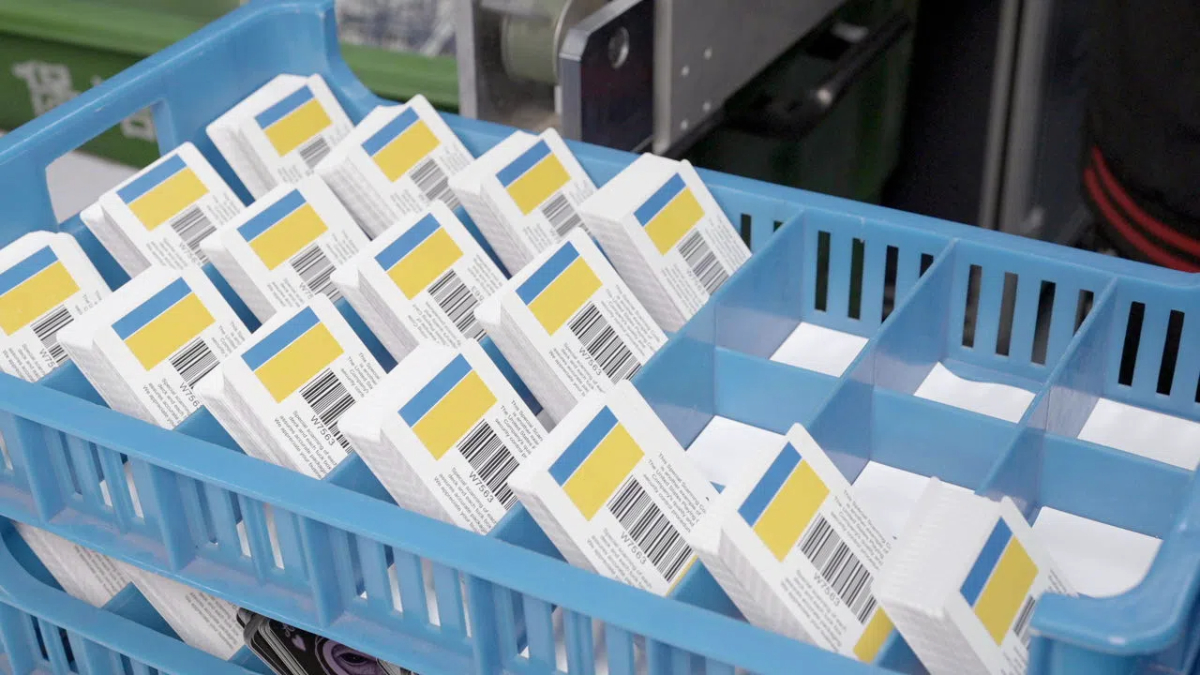
Quality control is paramount. The level of importance you place on the project and the degree of inspection will impact these costs:
Additionally, testing costs may also include third-party reports, such as EN71, ASTM, REACH, CE, etc., depending on your project’s requirements.
General Formula:
Full Inspection Costs For Cards = Number Of Sheets x Unit Price
Full Inspection Costs For Boxes = Number Of Finished Boxes x Unit Price (minimum costs included)
Full Inspection Costs For Booklets = Number Of Finished Booklets x Unit Price (minimum costs included)
5. Card Box Forming (Optional)
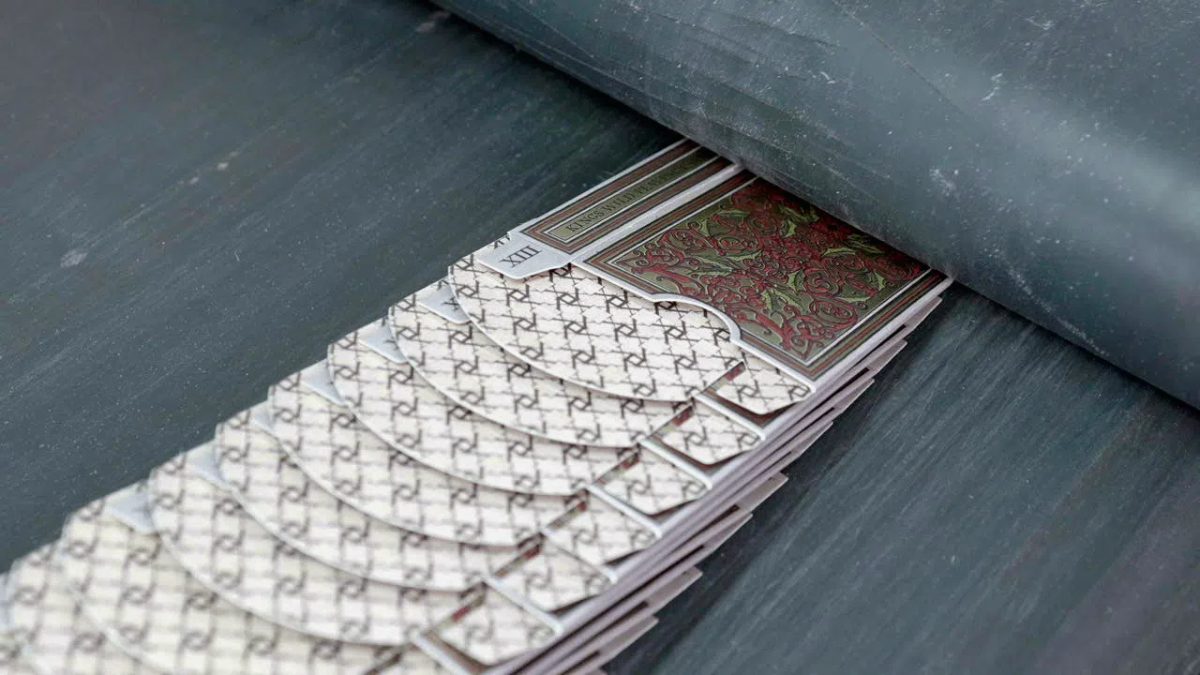
If your cards require packaging, the post-press stage might include gluing, V-shaping, corner taping and forming pre-cut cardboard boxes. This adds a professional touch and protects your cards during storage.
Our machines can automatically handle most of the tasks. However, if your box design is complex, manual works might be required, significantly increasing the cost. There are three specific methods:
1. Manual: This method requires no setup fee and can be used to create boxes of any size and shape. However, labor costs per hour are high, and the accuracy is relatively low. It is generally used for small batches or large/complex components.
2. Semi-Automated: This method has low setup costs and relatively good accuracy. However, it has limited options and is not suitable for complex boxes.
3. Fully Automated: This method is the fastest and most accurate. However, the setup fee is quite expensive, making it suitable only for orders of 2000 sets or more.
General Formula:
Gluing Costs = Number Of Finished Boxes x Unit Price
V-Shaping Costs = Number Of Finished Boxes x Unit Price (minimum costs included)
Cornering Taping Costs = Number Of Finished Boxes x Unit Price (minimum costs included)
Manual Forming Costs = Number Of Finished Boxes x Unit Price (minimum costs included)
6. Booklet Binding (Optional)
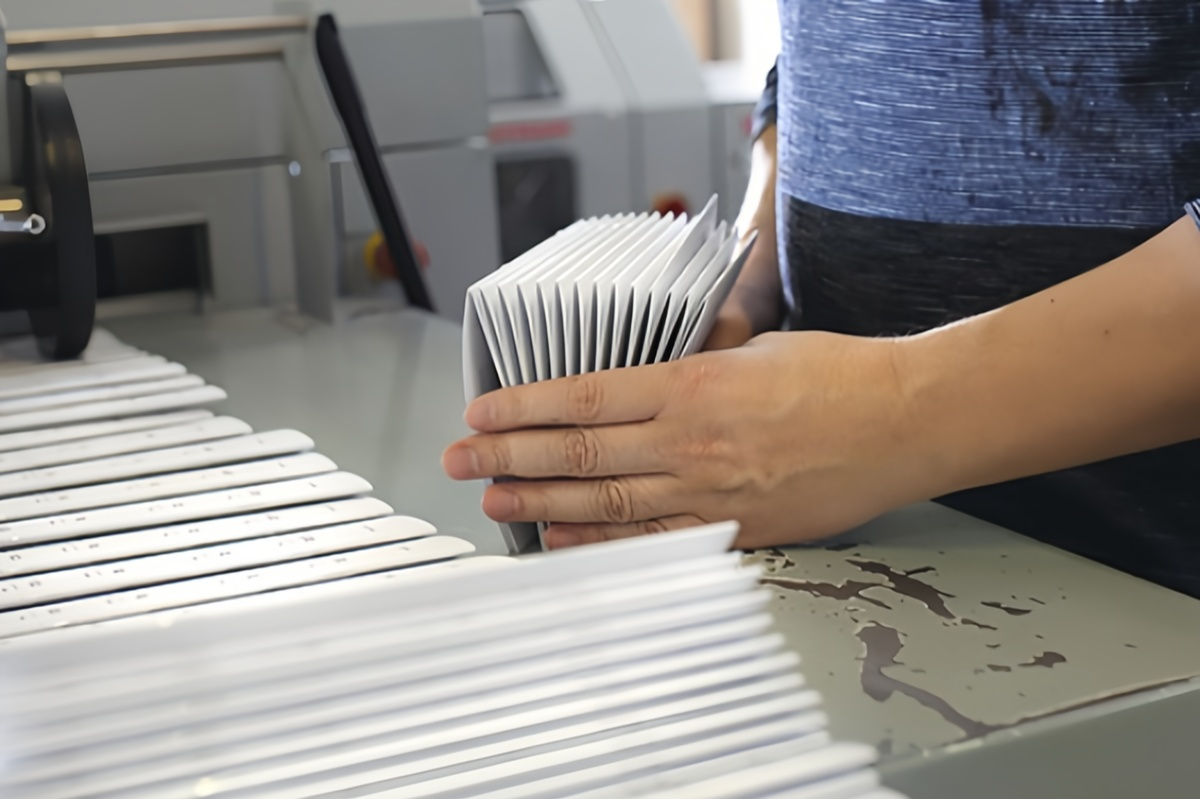
For card sets that include instructional booklets, the post-press stage encompasses folding, collating (arranging pages in order), and binding the booklets together. Techniques like saddle stitching or perfect binding might be employed.
Most of these processes can be done automatically by machines. A folding booklet only requires folding. A saddle stitch booklet needs to be collated, folded in half, stapled, and then trimmed to the final shape. A perfect binding booklet, after collating, needs the spine and cover glued, and then it’s trimmed to the finished size. A sewn binding booklet includes an additional sewing step than perfect binding.
From the number of steps, you can clearly understand that folding is generally the cheapest, followed by saddle stitching, perfect binding, and the most expensive is sewn binding.
General Formula:
Folding Costs = Number Of Operations x Unit Price
Stapling Costs = Number Of Finished Booklets x Unit Price
Gluing Costs = Number Of Operations x Unit Price
Sewing Costs = Number Of Finished Booklets x Unit Price
7. Assembling & Packing
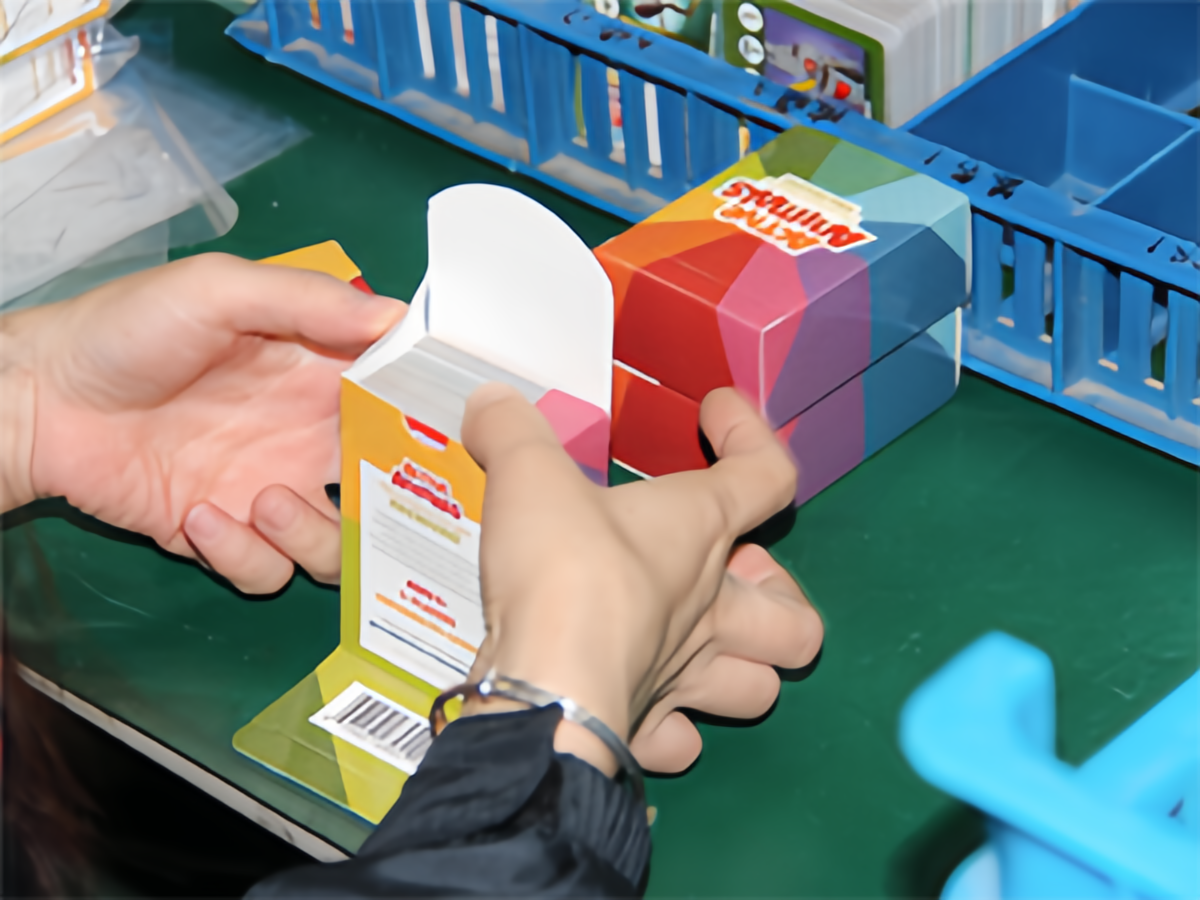
The final stage involves assembling all the components, such as cards, boxes and booklets (if applicable), into the final product. This process relies heavily on manual labor, and costs can vary greatly depending on the number of components involved.
Then, all the finished products will then be packed into shipping boxes in certain quantities for final packaging. This is a crucial preventive measure, as many products are easily damaged during transportation. This process involves the cost of packaging materials (such as cartons, foam bags, tapes, etc.), printing fees for the packaging, and labor costs for packing.
General Formula:
Assembling Costs = Number Of Finished Products x Unit Price
Packing Costs = Number Of Carton Boxes x Unit Price
The costs in the post-press stage are not as flexible as in other stages and often involve a significant amount of labor. Here may be some details to reduce your costs: