
You’ve got a killer idea for a custom card game. Great! But now you’re stuck on a big decision: Should you go with digital or offset printing? It’s like picking between two equally delicious flavors of ice cream—both have their perks, and it all depends on your taste. So, let’s break it down and figure out which one will make your game look as awesome as it deserves.
Understand 2 Printing Methods For Custom Card Games
Before we dive into the nitty-gritty, let’s meet our contenders. Digital printing is the newer kid on the block, using digital files to directly print on various materials. Think of it as a high-tech inkjet printer that can handle big jobs. No need for plates, just straight from the file to the page.
On the other hand, offset printing is like the wise old sage of the printing world. It’s been around for ages and involves transferring ink from a plate to a rubber blanket, and then onto the printing surface. It’s the go-to method for big projects with lots of copies.
The Big Differences: Digital vs. Offset
Understanding the fundamental differences between these two printing methods is crucial for making the right choice for your custom card game project:
| Index | Digital Printing | Offset Printing |
|---|---|---|
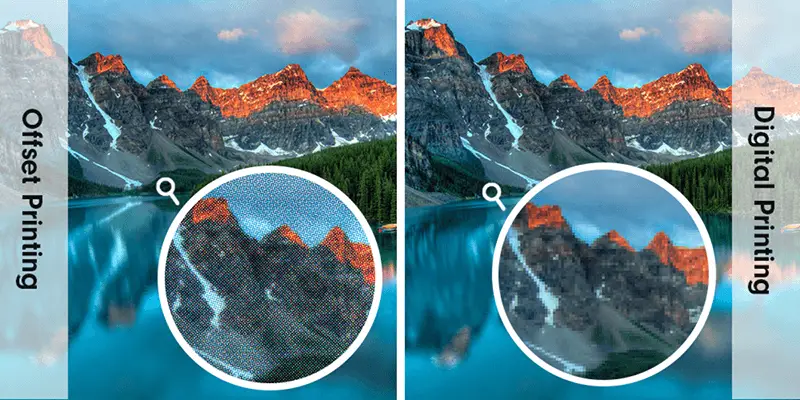
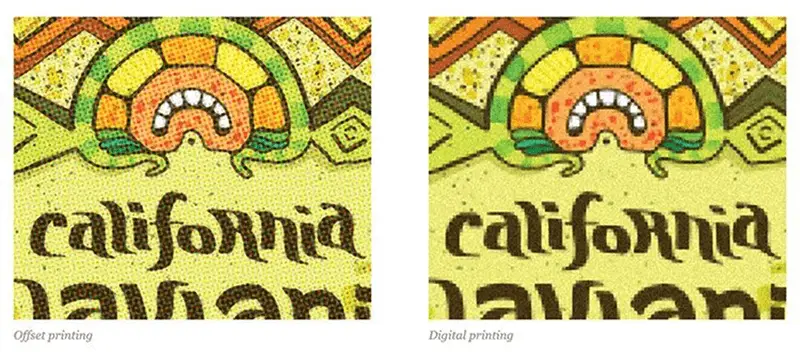
| Print Quality | Consistent color and detail across prints. Slightly less sharp images compared to offset. Better for designs with variable data. | Extremely high image quality and color fidelity. Sharp, clean images and text. Superior for metallic and Pantone colors. |
| Cost Effectiveness | More economical for small to medium print runs. No setup fees or plate costs. Cost per unit remains constant. | More cost-effective for large print runs Higher initial setup costs. Cost per unit decreases as quantity increases. |
| Turnaround Time | Faster setup and printing process. Ideal for quick turnaround projects. Easy to make last-minute changes. | Longer setup time due to plate creation. Faster printing speed for large volumes. Changes require new plates, increasing time and cost. |
| Paper Options | Limited paper options. Best for smooth, coated papers. May struggle with very thick or textured stocks. | Wide range of paper options. Handles both coated and uncoated stocks well. Can print on unique materials and textures. |
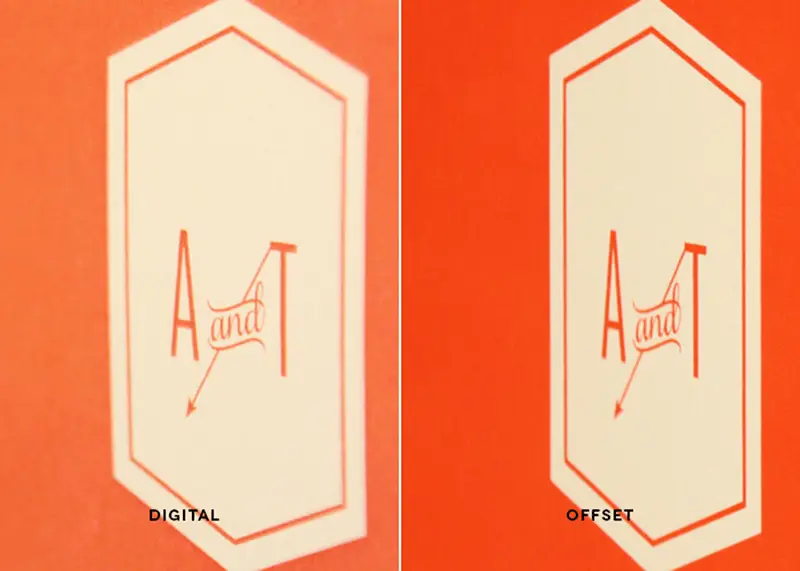
| Color Accuracy | Good color accuracy, but may vary between prints. Limited in reproducing exact Pantone colors. Better for projects with frequently changing colors. | Excellent color accuracy and consistency. Can accurately reproduce Pantone and custom colors. Ideal for maintaining brand consistency. |
Through this table, you can quickly compare the differences between digital printing and offset printing.
Should You Choose Digital Or Offset Printing?
When Digital Printing Is Your Best Buddy
Digital printing shines in several scenarios for custom card game production:
- Small to Medium Print Runs: If you’re printing less than 500 decks, digital printing is often more cost-effective. However, CPPS offers competitive offset price discounts on most products between 200 and 500 decks! So we still recommend using offset printing whenever possible.
- Prototype or Test Runs: When you need a small batch to test your game before a larger production run, digital printing offers a quick and affordable solution.
- Variable Data Printing: For games where each card has unique information or artwork, digital printing allows for easy customization without additional setup costs.
- Tight Deadlines: When you need your cards quickly, digital printing’s faster turnaround time can be a lifesaver.
- Frequent Design Changes: If you anticipate making regular updates to your card designs, digital printing allows for easier and more cost-effective modifications.
Think about it: Let’s say you’re creating a new educational card game with 100 unique cards, and you want to print 200 decks for initial testing and feedback. Digital printing would be ideal here due to the low quantity, need for unique cards, and potential for design changes based on user feedback.
When To Go Big With Offset Printing
Offset printing is preferable in the following situations:
- Large Print Runs: For productions exceeding 500 decks, offset printing becomes more cost-effective due to lower per-unit costs.
- Premium Quality Requirements: When your game demands the highest possible print quality and color accuracy, offset printing delivers superior results.
- Special Finishes or Materials: If your cards require metallic inks, spot varnishes, or printing on unique materials, offset printing offers more flexibility.
- Consistent Brand Colors: For established games or brands where color consistency is crucial, offset printing’s ability to match Pantone colors is invaluable.
- Long-term, Unchanging Designs: If your card game design is finalized and unlikely to change in the near future, the initial setup costs of offset printing are justified by the lower per-unit cost for large runs.
Example: Imagine you’re producing a collectible trading card game with intricate artwork, foil accents, and a print run of 3000 decks. Offset printing would be the clear choice here, offering the best quality for the detailed artwork, the ability to incorporate special finishes, and cost-effectiveness at this high volume.
Hybrid Approaches: Combining Digital And Offset Printing
In some cases, a combination of both printing methods can provide the best of both worlds:
- Split Runs: Print the main deck using offset for quality and cost-effectiveness, while producing expansion packs or special editions digitally for flexibility.
- Prototyping to Production: Use digital printing for initial prototypes and playtesting, then switch to offset for the final, large-scale production run.
- Mixed Components: Print cards that require the highest quality or special finishes using offset, while producing instruction booklets or boxes digitally for cost savings on smaller components.
Example: For a strategy board game with high-quality cards and a rulebook, you might choose offset printing for the 500 cards in each game to ensure premium quality, while digitally printing the 20-page rulebook to save on costs and allow for easy updates.
Additional Considerations For Custom Card Game Printing
When deciding between digital and offset printing for your custom card game, consider these additional factors:
1. Environmental Impact
Digital printing has less waste in setup and lower energy consumption for small runs. It is easier to print on-demand, reducing overstock. Offset printing is more efficient for large runs. Inks can be more environmentally friendly, and plates and materials are often recyclable.
2. Durability and Finish
Digital printing is good for standard card finishes. But it may be less durable for heavily used games, and has limited options for protective coatings. Offset printing offers a wide range of protective finishes. It is better for creating durable, long-lasting cards, and can incorporate specialized coatings for unique effects.
3. Customization and Personalization
Digital printing excels at personalized or customized cards. It is ideal for games with player-specific elements, and allows for easy a/b testing of designs. Offset printing is better for standardized, high-quality runs. It can include security features for collectible cards, and offers more options for unique textures and finishes.
Making the Final Decision
Choosing between digital and offset printing for your custom card game ultimately depends on your specific needs, budget, and project requirements. Let’s do a quick final recap:
Choose Digital Printing if:
- You need less than 200 decks.
- Your game involves variable data or frequent design changes.
- You’re on a tight deadline.
- You’re producing a prototype or test run.
Choose Offset Printing if:
- You’re printing more than 200 decks.
- Your game requires the highest possible print quality.
- You need special finishes or materials.
- Color accuracy and consistency are paramount.
- You’re planning for long-term, large-scale production.
Remember, at CPPS, we’re here to help you make the best decision for your unique project. Don’t hesitate to reach out to our team for personalized advice and quotes tailored to your custom card game needs.
By understanding the strengths and limitations of both digital and offset printing, you can ensure that your custom card game not only meets but exceeds your expectations in terms of quality, cost-effectiveness, and overall player experience.


