
This article is based on an interview with Mr. Ye, a die-cutting engineer at CPPS.
In the field of card printing, there’s a group of unsung heroes who work tirelessly to ensure that each card’s shapes and edges are flawless. They are die-cutting engineers, and I am one of them.
As a die-cutting production management engineer at CPPS, I am eager to share my decades of experience in die-cutting management to help demystify the aspects of card production related to dimensions, shapes, edges, surface finish and more. Let’s dive in together!
Managing Dies For Card Precision
In card production, die management is nothing short of an art form. It requires meticulous planning, careful execution, and constant innovation. Here are some key aspects we focus on in our daily work.
1. Die Inventory Management
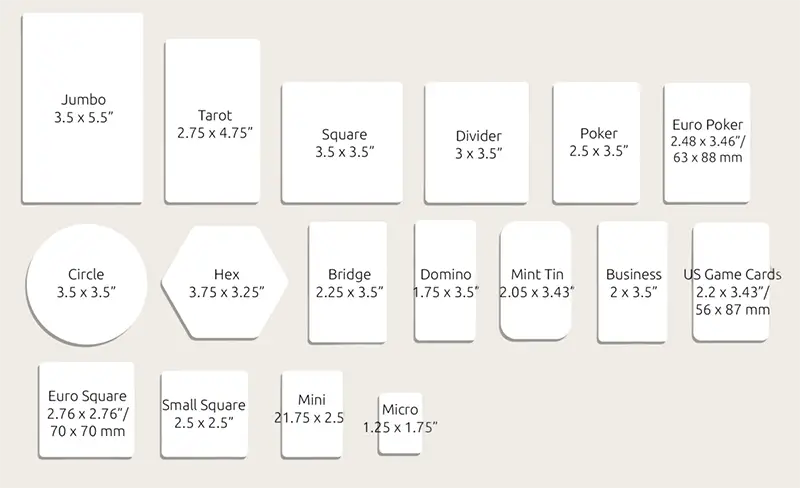
You might never have heard of a “Card Template & Die-cut Inventory List,” but it’s our bible. This comprehensive database keeps track of every die we use – from standard rectangles to fancy shapes for special edition cards. Keeping this updated is crucial; it’s how we ensure we always have the right tool for the job.
Imagine a situation where a client requests a unique card shape for a limited edition set. Without a meticulously maintained inventory, we could miss the opportunity to deliver that special size. Our inventory list includes not only the physical dies but also detailed specifications, including material, dimensions, and usage history. This level of organization allows us to anticipate needs and reduce lead times, making us a reliable partner for our clients.
Quick look at the dies we have available: CPPS Card Size List.
2. Quality Control
Think of me as a quality detective. I’m constantly inspecting our dies to make sure they’re up to snuff. You’d be surprised how a slightly dull die can mean the difference between a crisp edge and a fuzzy mess. We’re talking micron-level precision here, folks! In real life, this means regularly scheduled inspections and maintenance.
We use high-precision measuring tools to check the sharpness and alignment of each die. Any deviations are addressed to the greatest extent possible to maintain the highest quality standards (even if it is not 100% accurate).
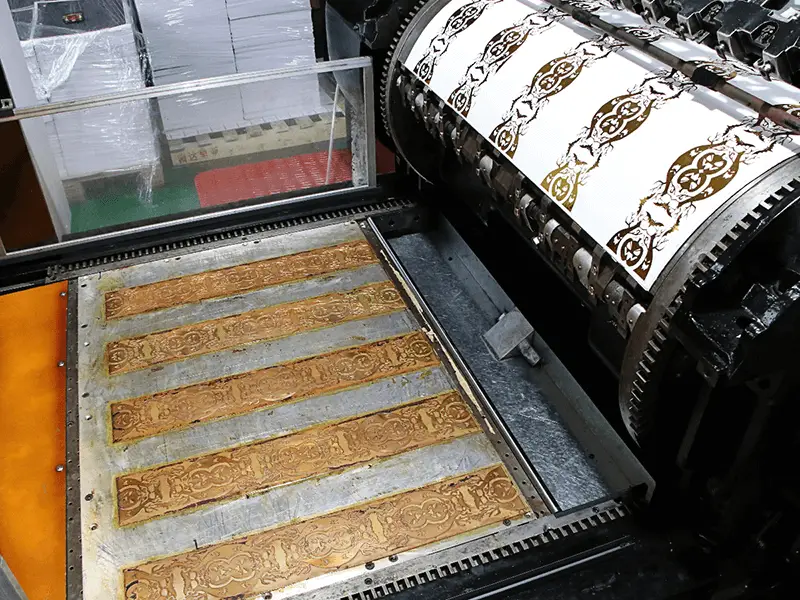
For instance, a die used for foil stamping needs to be impeccably sharp to achieve that luxurious, clean finish. A worn-out die could result in a product that looks amateurish, which is unacceptable in our factory.
3. The Round Corner Revolution
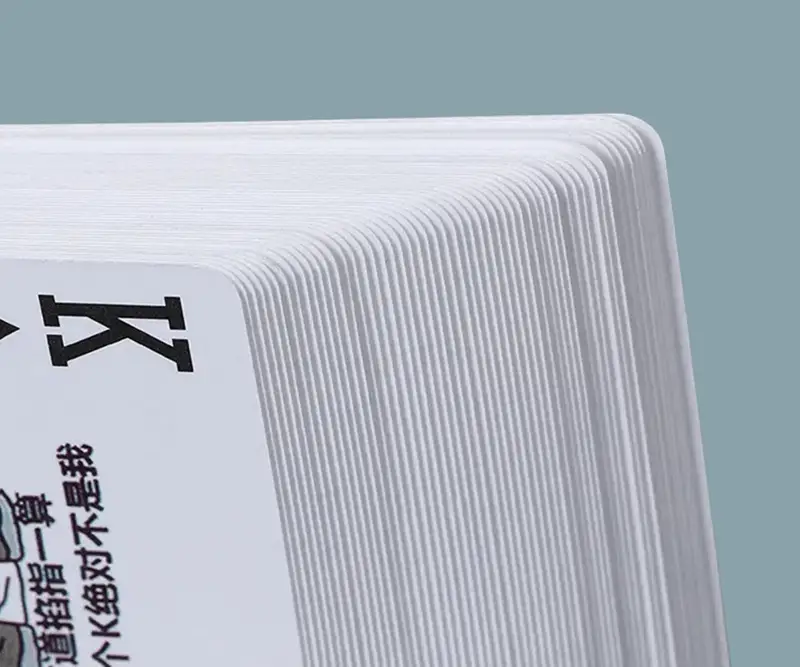
Remember those sharp-cornered cards that used to give you paper cuts decades ago? Yeah, the industry fixed that. Our specialized corner-rounding dies give cards that smooth, professional feel. It’s not just about comfort – it’s about durability too. Rounded corners are less prone to damage, making the cards more resilient over time.
This small detail can make a big difference in the longevity of the product. For instance, playing cards that are handled frequently benefit greatly from rounded corners. They not only look better, but also withstand wear and tear much better than their sharp-cornered counterparts.
4. Special Effects
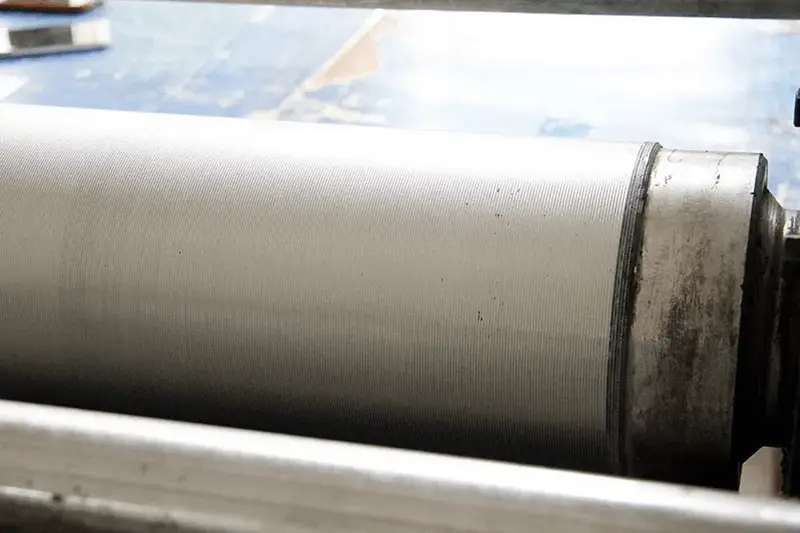
Dies aren’t just for cutting straight lines. We also use specialized dies for embossing, foil stamping, and even creating textured surfaces. Ever run your fingers over a card and felt that satisfying texture? That’s it! These special effects add a layer of sophistication and uniqueness to our products.
For example, a playing card with an linen design can convey a sense of luxury and thoughtfulness. Foil stamping, on the other hand, adds a touch of elegance and can be used to highlight important details like logos or text. We’ve even experimented with creating multi-layered cards that combine several of these techniques, resulting in a tactile and visual masterpiece.
5. Pushing the Envelope
At CPPS, we’re always on the lookout for new die technologies. Recently, we’ve been researching with laser-cut dies for ultra-intricate designs. It’s opening up a whole new world of possibilities for card aesthetics. Laser cutting allows us to achieve details that traditional dies can’t, like lace-like patterns or micro-cut details.
For instance, a high-end collecting card might feature a laser-cut border that mimics the delicate patterns of lace. This level of detail can make a product stand out in a crowded market, offering a unique selling point that resonates with clients looking for something special.
6. The Cost-Efficiency Balancing Act
Dies aren’t cheap (a new mold may cost up to $400 per set!), and neither is downtime. Part of my job is analyzing die usage patterns to optimize our purchasing and maintenance schedules. It’s a delicate balance between quality and cost-efficiency.
We track the usage frequency of each die to determine when it’s time for maintenance or replacement. We also analyze production schedules to minimize downtime, ensuring that we always have the right dies available without overstocking. This strategic approach not only saves money but also ensures that we can offer competitive pricing without compromising on quality.
7. Training the Next Generation
I spend a good chunk of time training our operators on proper die handling and maintenance. It’s not just about preserving our tools; it’s about preserving the art of quality card production. Our training programs cover everything from the basics of die handling to advanced maintenance techniques.
Take an example, we teach operators how to properly store dies to prevent damage and how to perform routine checks to catch issues early. This investment in training pays off in the long run, as it ensures that our team is skilled and knowledgeable, capable of upholding our high standards of quality.
A typical day for me might involve:
- Morning inventory check and production schedule review.
- Quality inspection of dies scheduled for the day’s runs.
- Coordinating with the design team on a new specialty cut for an upcoming TCG expansion.
- Troubleshooting a cutting issue on the production floor.
- Analyzing wear patterns on our most-used dies and planning replacements.
- Wrapping up with a training session for new hires on our die management system.
Summary: The Cutting Edge Of Card Production
Every time you shuffle a deck or lay down a perfect hand, you’re experiencing the results of our precision die work and seamless collaboration between production and sales. That satisfying snap when you flick a card? That’s the product of perfectly aligned cuts, carefully rounded corners, and a sales team equipped with the knowledge to promise and deliver excellence.
So next time you’re admiring the clean edges of your favorite card game or marveling at the intricate die-cut window on a special edition pack, spare a thought for us die management folks. We’re here in the background, ensuring every cut, every corner, and every special effect is nothing short of perfection.
Got questions about the nitty-gritty of die-cutting in card production? Curious about how we achieve those specialty cuts? Drop your questions in the comments below. And hey, if you’re a game developer looking to push the boundaries of card design, give us a shout. We’re always ready to take on a new cutting challenge!


