
You’ve had a eureka moment, conceiving a unique card game idea that you believe will be a hit with players. But how do you navigate the journey from concept to product, whether it’s physical or digital?
As a seasoned card game printer with over 10 years of experience in both tabletop and trading card games (TCGs), CPPS has been through the exhilarating process with talented designers of creating games from scratch numerous times.
Whether you’re dreaming up your first game or looking to refine your skills, we are here to walk alongside you every step of the way. Now, let’s explore 5 effective steps to create a successful custom card game!
5 Effective Steps To Create a Blockbuster Card Game
Step 1: Narrow Down Your Theme
Theme development is a critical aspect of game design that can make or break your product. Distilling your card game concept to its essential elements is crucial, regardless of whether it’s an educational game about historical conflicts, a humorous comparison game, or something entirely different. This process of refinement allows you to streamline your concept and transform it into a tangible product, ensuring that potential players won’t become confused or disinterested.
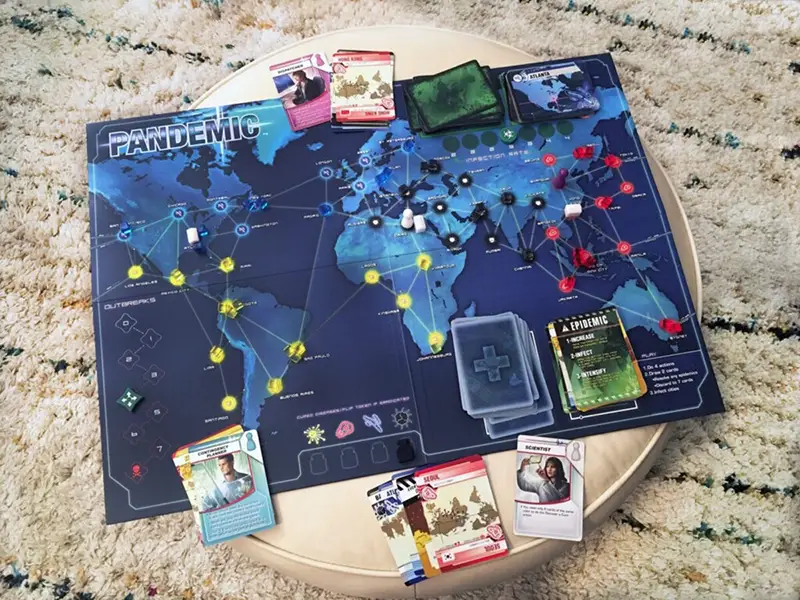
Consider the case of “Pandemic,” a cooperative board game that became immensely popular. Its theme of global disease control was not only unique but also highly relevant, especially in recent years. The game’s success lies in how it effectively narrows down the complex theme of global health crises into manageable gameplay mechanics.
When narrowing your theme, consider the following:
- Core concept: What’s the central idea of your game? For “Pandemic,” it’s global cooperation to fight diseases.
- Setting: Where and when does your game take place? This can greatly influence the game’s atmosphere and rules.
- Player roles: How do players interact with the theme? In “Pandemic,” players take on specific roles like medic or scientist, each with unique abilities.
- Mechanics: How does the theme translate into gameplay? For instance, “Pandemic” uses card drawing to simulate disease spread.
- Visual elements: How can you represent your theme visually on the cards and other components?
Remember, a well-defined theme not only makes your game more engaging but also aids in marketing and differentiation in a crowded market.
Step 2: Write It Down
After refining your concept, your mind is likely brimming with ideas. The best way to ensure you don’t forget any crucial details is to document everything—even elements you might later discard. This includes rules, setting specifics, card designs, and other aesthetic considerations.
The documentation process is more than just jotting down ideas; it’s about creating a comprehensive game design document (GDD). This document serves as a blueprint for your game and can be invaluable when communicating your vision to artists, playtesters, or potential publishers.
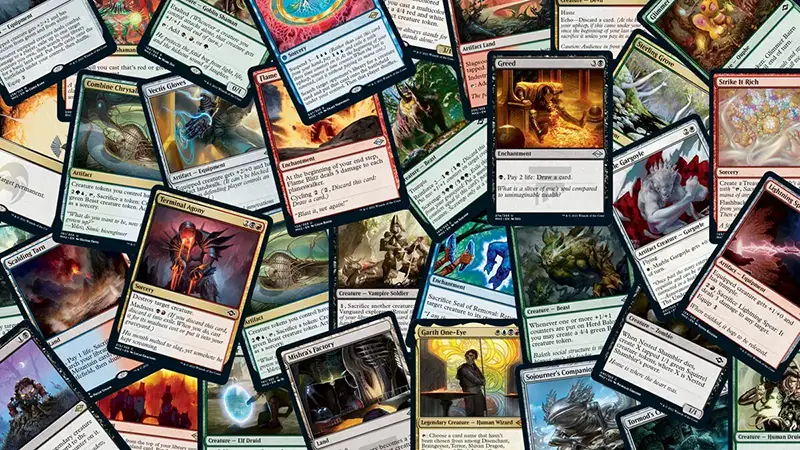
Consider the case of Magic: The Gathering, one of the most successful trading card games ever created. When Richard Garfield first conceived the game, he created extensive documentation detailing the game’s core mechanics, card types, and the concept of mana as a resource. This thorough documentation allowed him to refine the game’s rules and balance before any cards were printed.
Key elements to include in your game design document:
- Game overview: A brief description of your game and its unique selling points.
- Theme and setting: Detailed information about the game’s world and atmosphere.
- Gameplay mechanics: Comprehensive rules, turn structure, and win conditions.
- Card types and effects: Detailed descriptions of different card categories and their functions.
- Balancing considerations: Initial thoughts on game balance and potential issues to watch for.
- Art direction: Guidelines for the visual style of the cards and other components.
- Expansion potential: Ideas for future additions or variations to the core game.
Remember, your GDD is a living document. As you progress through the development process, you’ll likely revise and expand it based on playtesting feedback and new ideas.
Step 3: Develop A Prototype And Test It
With a solid concept documented, the next crucial step is creating a functional prototype and thoroughly testing it. This stage is arguably the most critical in the development process, as it allows you to identify and address potential issues before investing in mass production.
Prototyping and playtesting are iterative processes that can dramatically improve your game’s quality. Let’s examine a case study to understand the importance of this step.
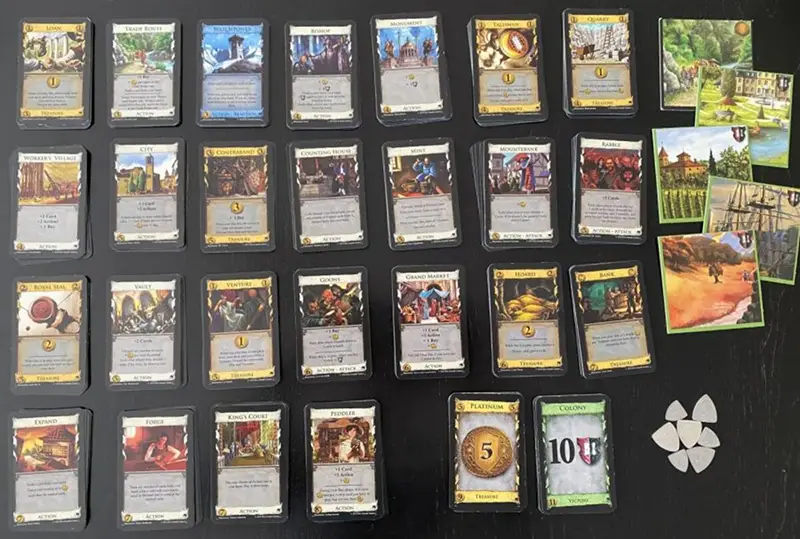
Dominion, the game that popularized the deck-building genre, underwent extensive prototyping and playtesting. Designer Donald X. Vaccarino created over 500 different cards during the development process, constantly refining and balancing the game based on playtest feedback.
Key aspects of effective prototyping and playtesting:
- Create a minimum viable product (MVP): Start with a basic version of your game that includes all core mechanics, but might lack polish in terms of art or component quality.
- Gather diverse playtesters: Include both experienced gamers and newcomers to ensure your game is accessible yet challenging.
- Observe silently: During playtests, avoid explaining rules unless absolutely necessary. This helps identify unclear instructions or confusing mechanics.
- Collect quantitative and qualitative data: Track game length, player scores, and card usage, but also gather subjective feedback about enjoyment and engagement.
- Iterate rapidly: Make changes based on feedback and test again. Don’t be afraid to make significant alterations if needed.
- Blind playtesting: Once your game is more refined, send it to groups who will play without your presence. This simulates the experience of someone who’s purchased your game.
- Compare to similar games: Playtest your game alongside similar titles to identify your unique selling points and areas for improvement.
Remember, playtesting isn’t just about finding problems—it’s also about discovering unexpected positive elements that you can further develop.
Step 4: Perfect Your Design
After gathering and implementing feedback from playtesting, it’s time to refine your prototype into a polished product. This step involves finalizing card designs, creating a logo for your game title, and establishing a cohesive visual brand across all game components and packaging.
The visual design of your game is crucial not only for aesthetic appeal but also for gameplay clarity and market differentiation. Let’s examine how effective design can elevate a card game.
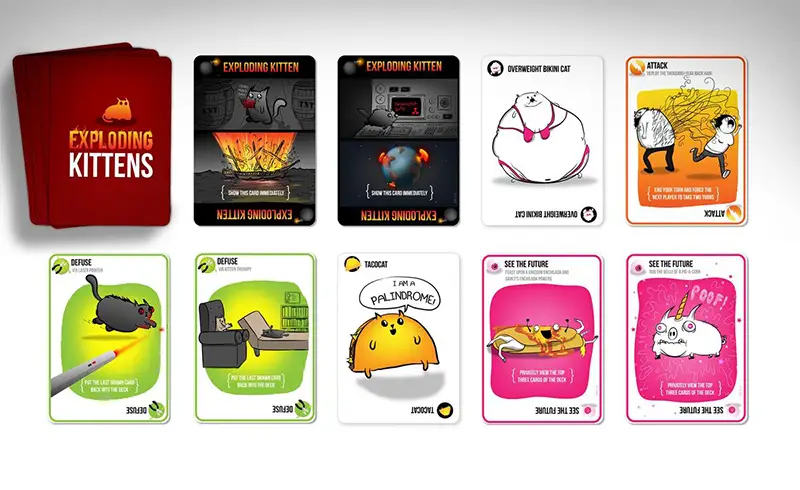
Exploding Kittens, a hugely successful card game that started as a Kickstarter project, stands out for its quirky, eye-catching design. The game’s creators collaborated with popular webcomic artist The Oatmeal to create a unique visual style that perfectly matched the game’s humorous theme.
Key considerations for perfecting your design:
- Functionality first: Ensure that card layouts are clear and easy to read, even from across the table. Use iconography consistently to convey information quickly.
- Theme integration: Your visual design should reinforce your game’s theme. For example, a fantasy-themed game might use ornate borders and mystical symbols.
- Color psychology: Use colors intentionally to evoke emotions or categorize elements. Be mindful of color-blind accessibility.
- Typography: Choose fonts that are both thematic and legible. Consider how text will look at different sizes.
- Scalability: Design with potential expansions in mind. Create a style guide that can be applied to future additions.
- Packaging design: Your box is often the first thing potential buyers see. Ensure it stands out on a crowded shelf and effectively communicates your game’s essence.
- Prototyping tools: Utilize digital tools like Adobe Creative Suite or free alternatives like Canva for professional-looking designs. For rapid prototyping, consider using services like The Game Crafter or Print & Play Productions.
While professional-looking art can enhance your game, solid mechanics are more important. Many successful games have launched with simple or even placeholder art, focusing on gameplay first.
Step 5: Print And Publish
With your game design finalized and thoroughly tested, you’re ready to bring your custom card game to life. This step involves choosing a manufacturer, deciding on materials and packaging, and preparing for distribution.
The production and publishing phase can be daunting, especially for first-time game creators. Let’s explore some key considerations and potential paths to market.
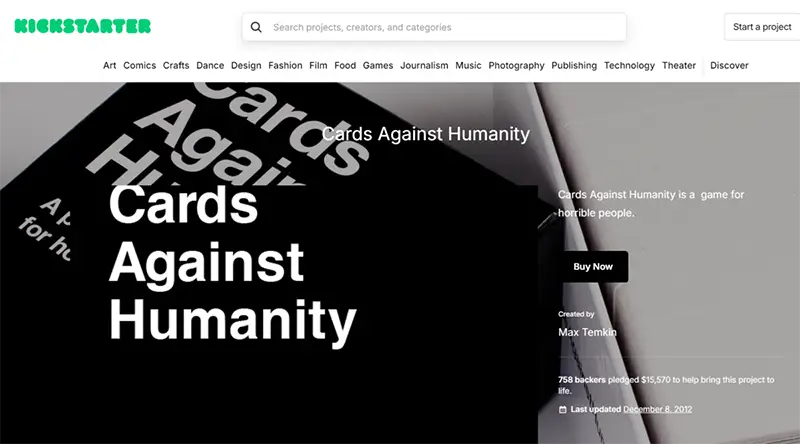
For example, Cards Against Humanity began as a small, self-published game funded through Kickstarter. The creators initially printed just 1,000 copies, but the game’s popularity led to numerous reprints and expansions. Their success demonstrates that even small-scale initial productions can lead to significant growth if the game resonates with players.
Key aspects of printing and publishing:
1. Production options:
- Print-on-demand services like The Game Crafter for small runs.
- Specialized board game manufacturers like CPPS for larger print runs.
- Local printers for prototypes or limited editions.
2. Material choices:
- Card stock (thickness, finish).
- Box material and style.
- Additional components (tokens, dice, etc.).
3. Quantity considerations:
- Minimum order quantities (MOQs) from manufacturers.
- Storage and distribution capabilities.
- Initial market demand estimates.
4. Distribution channels:
- Direct sales through your website or at conventions.
- Online marketplaces like Amazon or Etsy.
- Traditional retail stores and game shops.
- Crowdfunding platforms for initial launch.
5. Marketing strategy:
- Social media presence and engagement.
- Board game reviewers and influencers.
- Presence at gaming conventions and events.
- Paid advertising (online, print, or podcast sponsorships).
6. Legal considerations:
- Trademark your game name and logo.
- Copyright protection for unique game elements.
- Age ratings and safety testing for physical components.
7. Post-launch support:
- Customer service for rules questions or component issues.
- Gathering feedback for potential expansions or revisions.
The journey doesn’t end with publication. Successful games often require ongoing support, marketing, and community engagement to thrive in the competitive tabletop gaming market.
By following these expanded steps and learning from successful case studies, you’ll be well-equipped to transform your card game idea into a polished, marketable product. Remember that game design is an iterative process, and even after publication, you may continue to refine and expand your game based on player feedback and market reception.
If you already have an idea, request a free quote today and see how CPPS can help make it happen!


