
Specialty Finishing
Make your custom cards more gorgeous through various special options like stamping, hologram, edging, spot UV, etc.
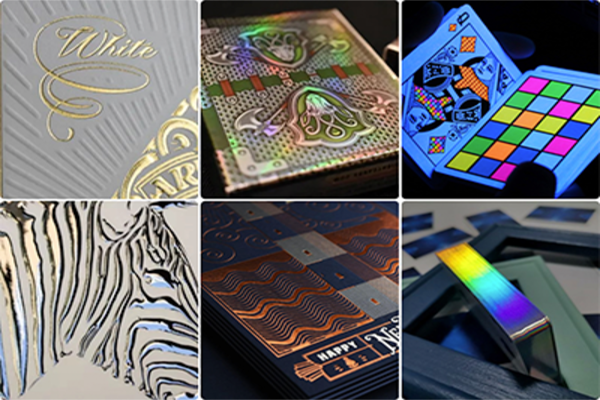
Specialty finishing for card decks goes beyond just protecting the cards, like regular varnish or lamination does. It adds visual and tactile interest to the cards, creating a more unique and luxurious feel. Here are some common specialty finishes for card decks and their effects:
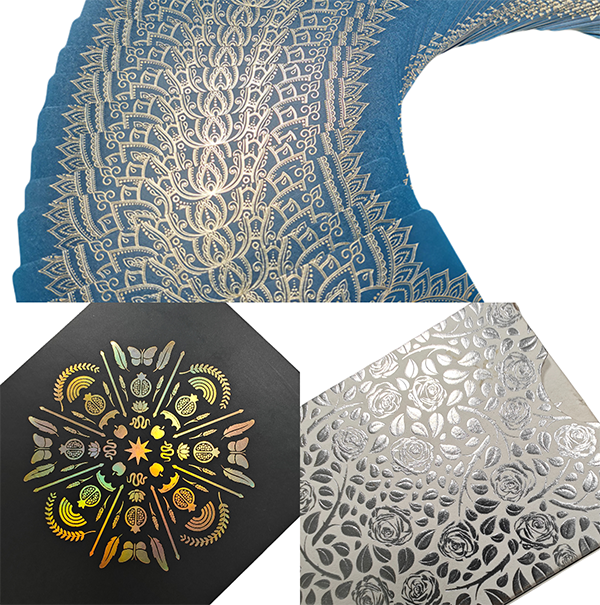
Stamping Printing
Stamping Printing, also known as foil stamping, is a technique for applying metallic foil designs onto card decks. It creates a visually impressive and luxurious effect, and can differ by their processes.
Edging Printing
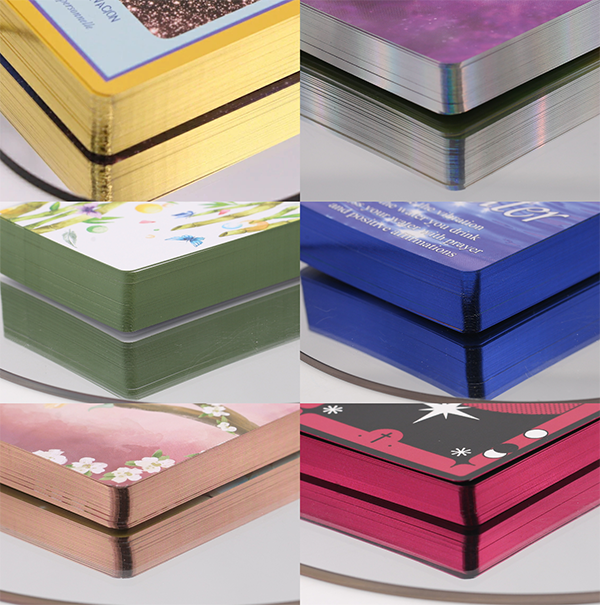
Edging is used to add a decorative finish to the edges of card decks, and can be divided in foil edging (gilding) and matte edging (painted edging).
Gilding applies a thin layer of metallic foil to the edges of a card deck using heat and pressure. This process creates a shiny, reflective metallic finish around the edges. Matte edging is a matte finish, usually achieved with paint or ink, giving the edges a flat, non-reflective appearance.
UV Printing
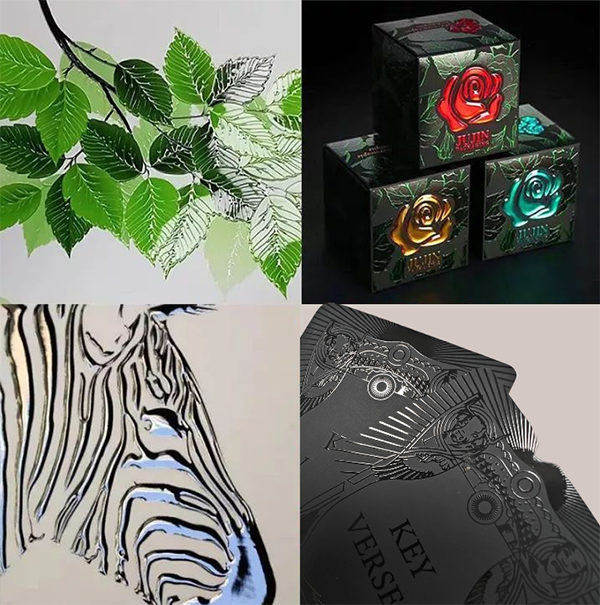
UV printing is to add gloss, texture, or other effects to card decks, involve the use of ultraviolet (UV) light to cure or harden materials.
Emboss/Deboss Printing
Embossing and debossing are techniques used to create texture and dimensionality in card decks. They involve altering the surface of the cards to create raised (embossed) or recessed (debossed) designs.
They are commonly used for adding visual and tactile interest to card boxes, highlighting specific elements like logos, names, or symbols, or even creating intricate designs or patterns for decorative purposes.

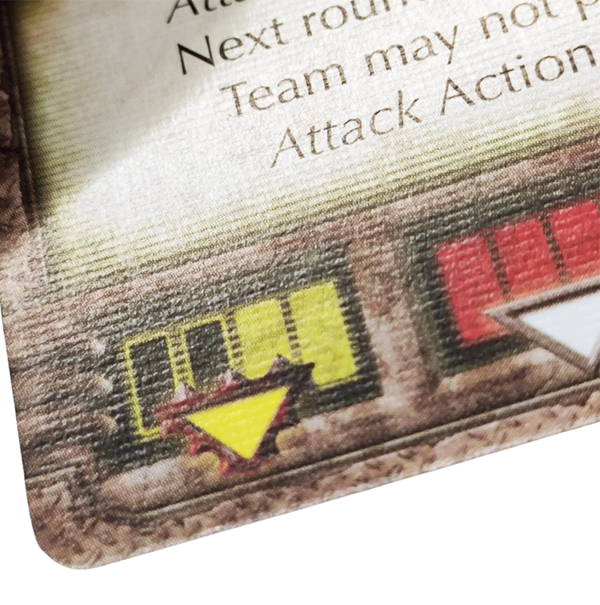
Linen Printing
We support post linen printing, which can create a unique and luxurious feel, and improve operability for glossy paper such as art paper. The subtle grooves of the linen pattern give the cards a more interesting visual texture, improve grip, making the cards easier to shuffle and handle, especially for games.
Also, the linen texture is often associated with high-quality paper products like black core paper, giving the deck a more luxurious and expensive feel.
Coding Printing
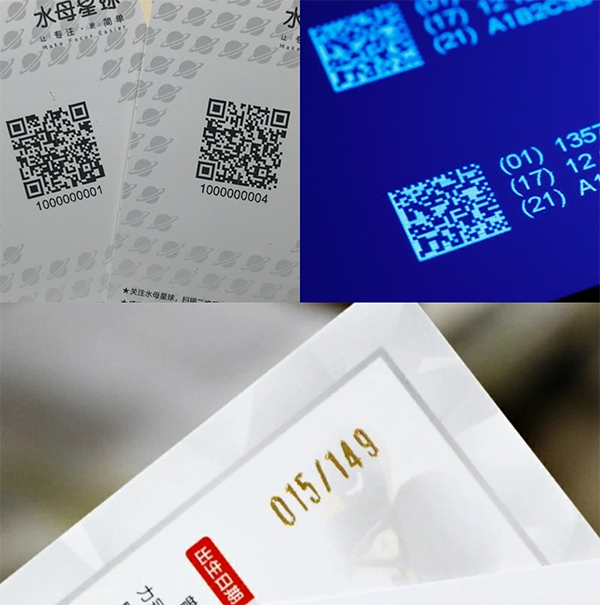
Coding printing allows the use of production codes, unique codes, or serial numbers to mark cards, which plays an important role in controlling quality, preventing counterfeiting, ensuring product integrity, and increasing collection value.
We provide a variety of different coding methods and forms, including: UV Inkjet coding, Infrared inkjet coding, foil stamping coding, etc., to meet your personalized customization needs.
Mounting/Embedding
These are two techniques commonly used in trading card games.
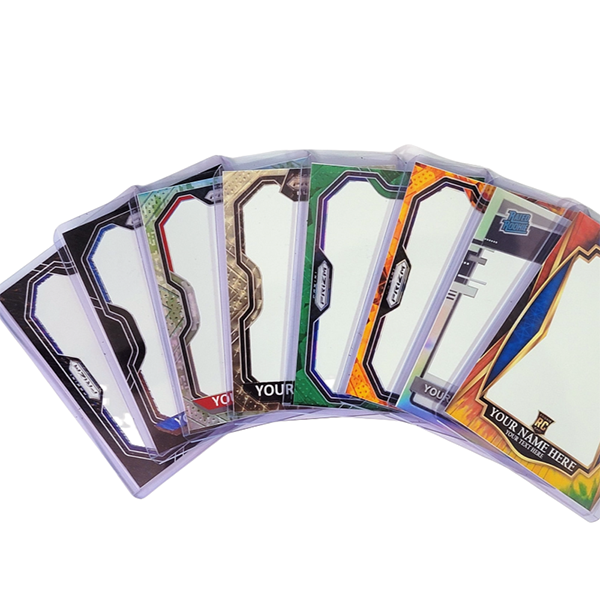
Mounting attaches or laminates additional materials onto a card deck to create thicker cards or for unique effects.
Embedding involves incorporating objects or materials directly within the card itself, like NFC chip, metal, acrylic, cloth, etc. This can be done through die-cutting or lenticular printing.
Choosing a special technique or combination depends on the desired effect and purpose of your card deck. However, you also need to note that not all techniques can be used at the same time. Otherwise, it is very likely to cause quality problems such as de-inking, fading, and wear.
Crafts/Materials
Cannot Be Used Simultaneously
Varnish
Matte edging
Lamination
Foil edging
Gloss lamination/varnish
Spot UV/ 3D stamping
Linen Printing
Foil stamping
PVC
Lamination/Matte edging
3D stamping
All crafts