
Common Finishing
Laminates and varnishes provide basic gloss and surface protection, and you should choose one of these as your go-to finish.
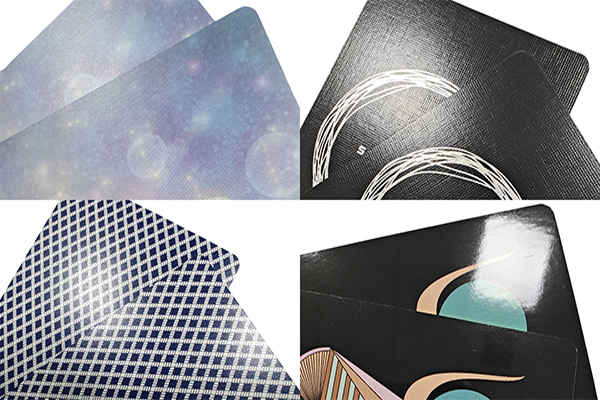
Choosing the right finish for your cards is crucial to ensure durability, longevity, and an enjoyable gaming experience. Without a proper finish, the printed surface can quickly deteriorate, leading to smudged ink and sticky cards, ultimately diminishing the quality of your card game.
As card creators often face uncertainty about which common finish to select, it’s essential to understand the options available. Among the common finishes for card games are lamination and varnish, each offering distinct advantages.
Lamination is a popular choice due to its protective qualities. By encasing the cards in a thin layer of plastic film, lamination guards against moisture, spills, and general wear and tear.
This ensures that the ink remains intact and vibrant, preventing smudging and maintaining the cards’ smoothness. Additionally, lamination provides a sleek and professional appearance, enhancing the overall presentation of the game.
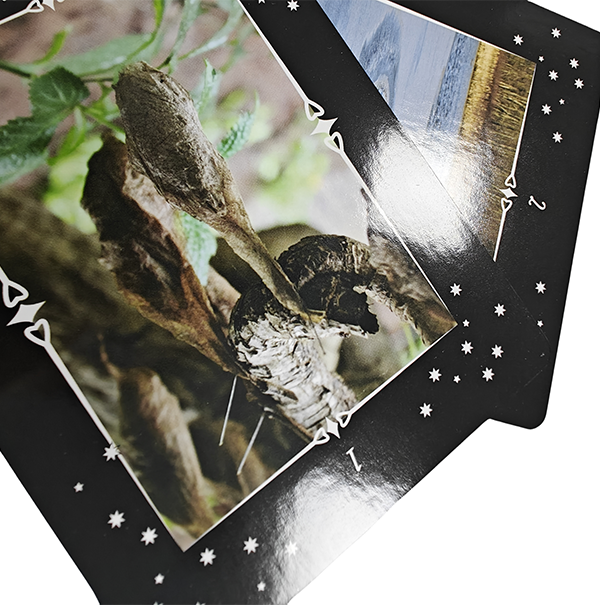
Common Gloss Lamination
Common Matte Lamination
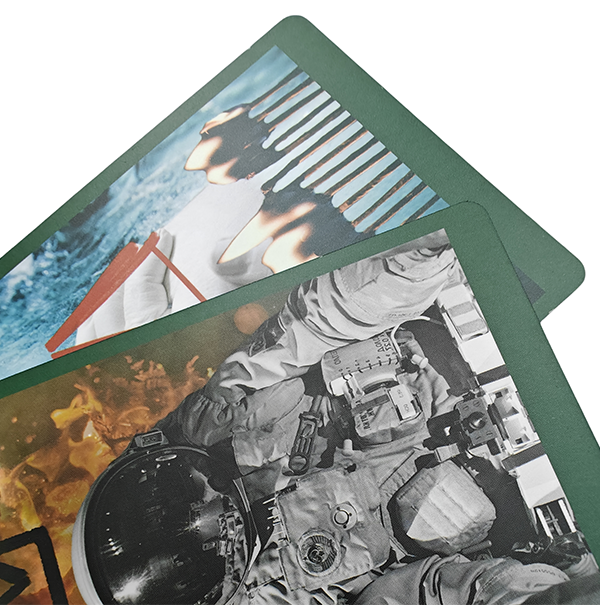
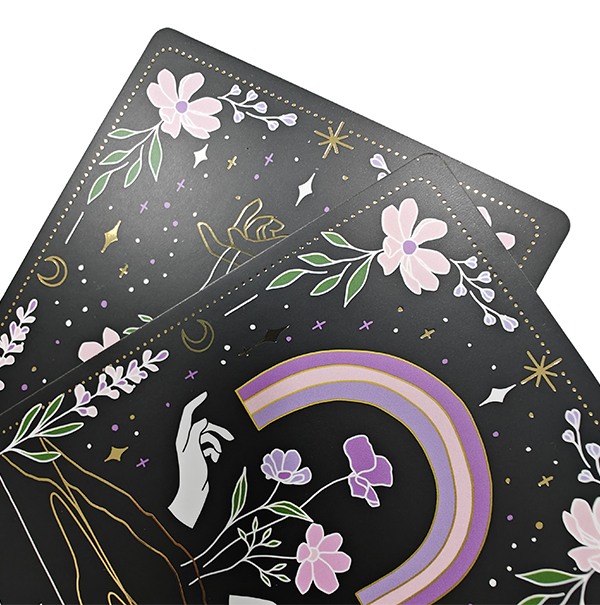
Anti-Scrath Matte Lamination
Silk Matte Lamination
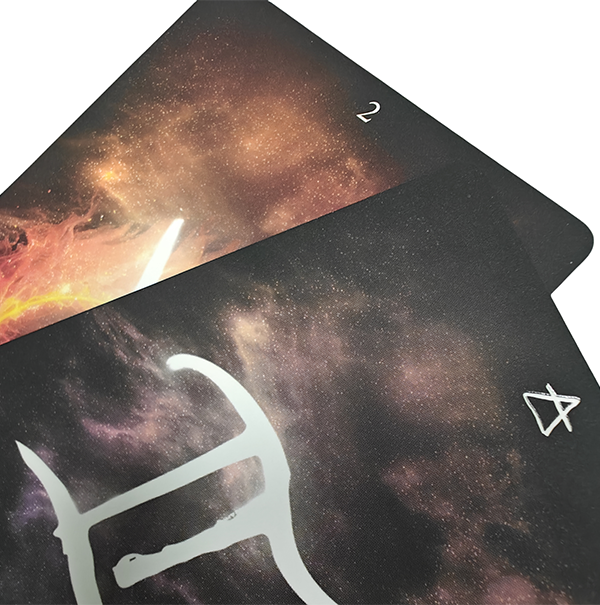
Oil varnish, on the other hand, offers a more traditional approach to finishing card games. Applied as a liquid coating and allowed to dry, varnish forms a resilient protective layer that enhances the cards’ durability.
Its smooth texture facilitates easy shuffling and handling, while also providing a glossy finish that enhances the playing cards’ aesthetics. Oil varnish is particularly well-suited for games that require frequent handling, as it can withstand extensive use without showing signs of wear.
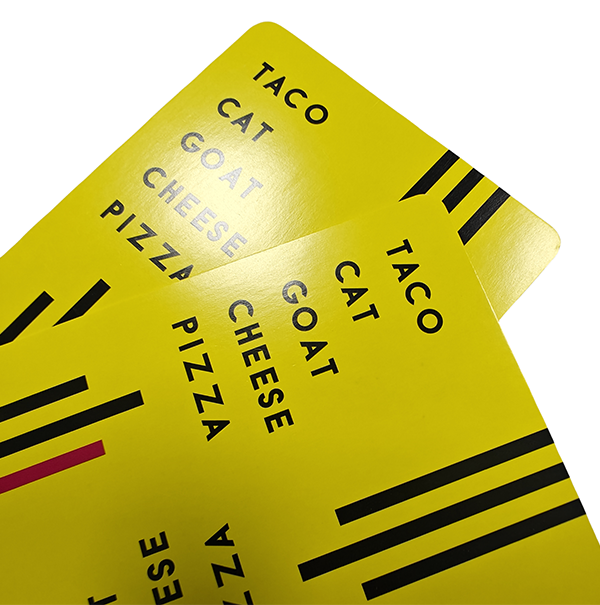
Common Gloss Varnish
Common Matte Varnish
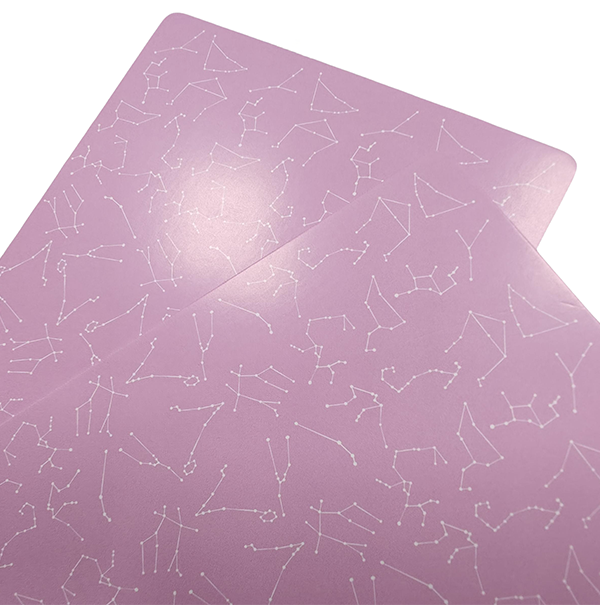
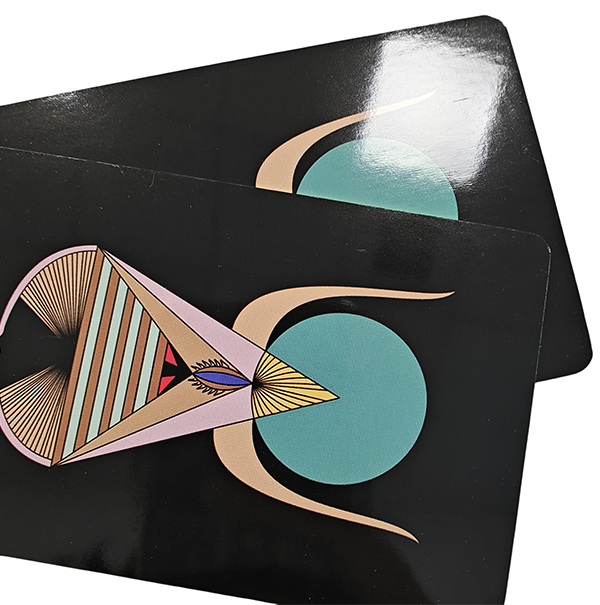
UV Gloss Varnish
UV Matte Varnish

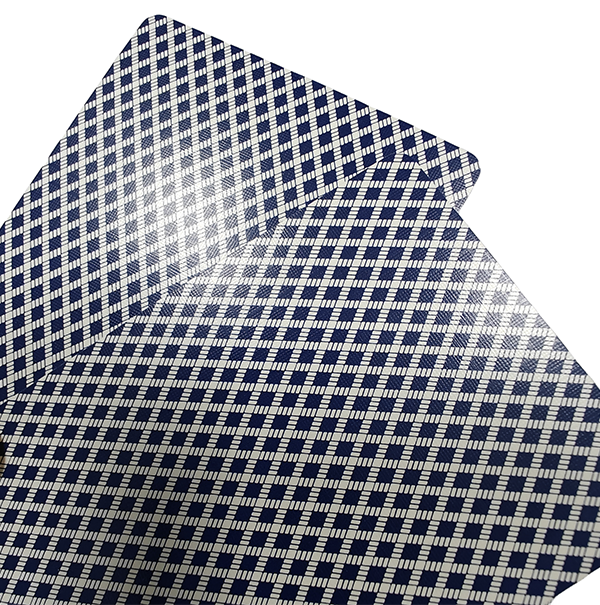
Casino Gloss Varnish
Cardistry Gloss Varnish
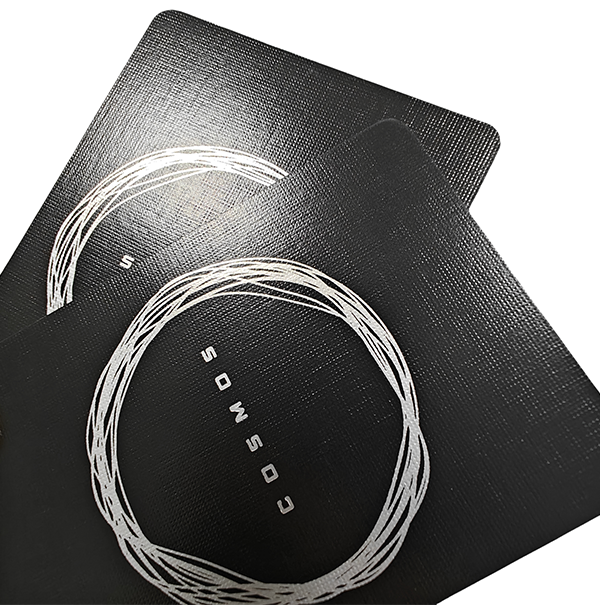
Tips: Due to the difficulty of displaying the true texture and subtle brightness differences of finishes in images, feel free to request a sample pack from us!
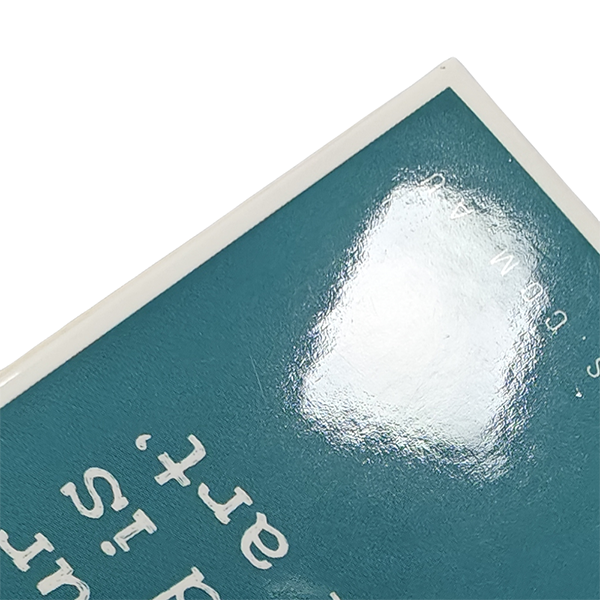
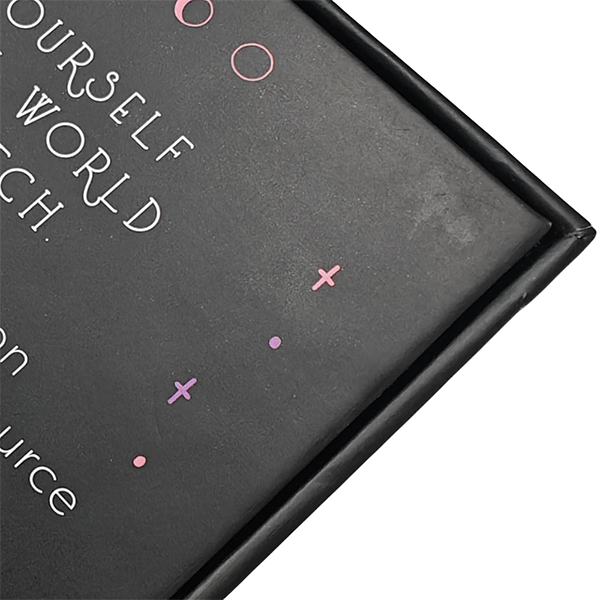
The finishes commonly applied to the card box are coordinated with those of the cards. For more details on these finishes, you can refer back to the preceding paragraphs, which provide additional information. Here are some popular applications:
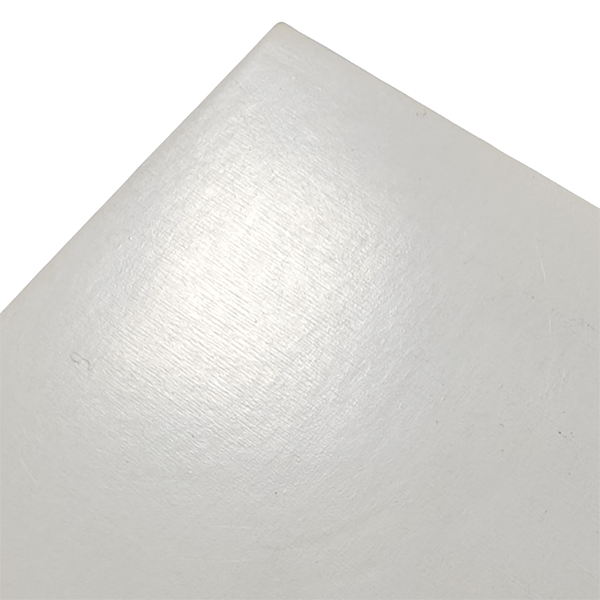

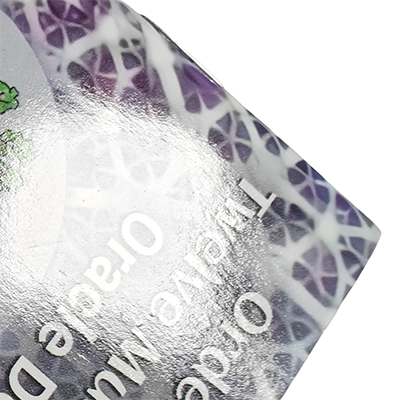
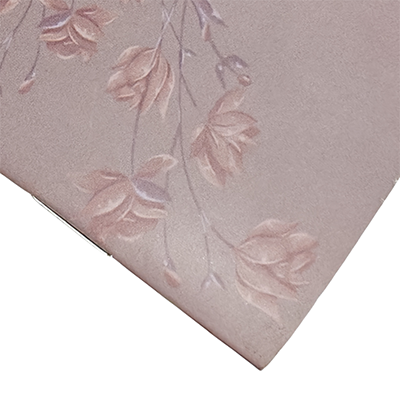
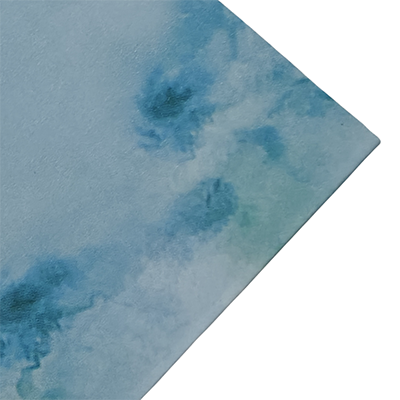
The card booklet’s common finish mirrors that of the cards, and you can refer back to the beginning to review the pertinent descriptions, too. Here are some of the popular applications:
Lamination vs Varnish
Choosing between lamination and varnish for your printing card project depends on several factors. Here’s a breakdown to help you decide:
1. Protection
2. Finish and Appearance
3. Cost
Cost Ranking (decreasing from top to bottom)
4. Flexibility
Here’s a quick decision chart to help you choose:
Need
Choose Lamination
Choose Varnish
Additional factors to consider
Choosing between gloss and matte lamination or varnish for your printing project depends on the desired aesthetic, functionality, and budget. Here’s a breakdown to help you decide:
1. Aesthetics
Gloss creates a vibrant, eye-catching look with a reflective, shiny surface. It enhances colors and makes images appear sharper. Great for highlighting photographs and bold designs.
Matte offers a sophisticated, modern look with a smooth, non-reflective surface. Colors appear softer and more muted, creating a luxurious feel. Ideal for minimalist designs and high-end products.
Brightness Ranking (decreasing from top to bottom)
2. Functionality
Gloss is more durable and easier to clean than matte finishes. Fingerprint smudges and dust are less noticeable. Ideal for frequently handled items like brochures or packaging.
Matte hides fingerprints and smudges better than gloss. Can be preferable for text-heavy content, as it reduces glare and improves readability. May offer a slightly better feel in the hand.
3. Drawbacks
Gloss can cause glare in some lighting conditions, making text harder to read. Colors might appear slightly less nuanced compared to matte.
Matte can make colors appear a bit less vibrant compared to gloss. Might show scratches or scuffs more easily.
Here’s a quick cheat sheet
Ultimately, the best way to choose is to request samples from us to see how the different finishes look and feel on your specific project.