
Booklet Printing Types
Select the instruction booklet that perfectly completes your deck, ensuring that your card game comes with a booklet that meets your expectations and provides a polished, professional touch.
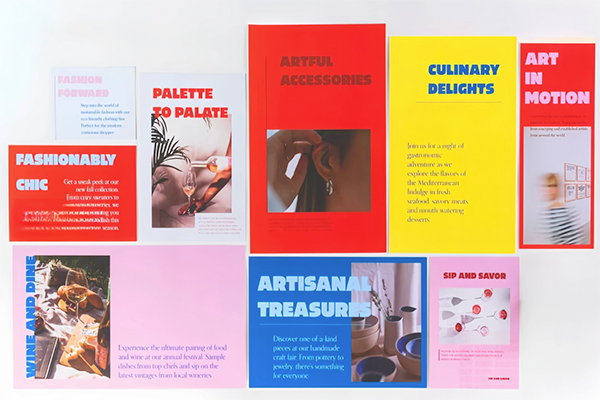
The booklet is the final step in completing a card deck. It provides the official rules for the card game, explaining how to play, offering strategy tips or advice for new players, and resolving common questions or scenarios, among other things.
We offer a variety of custom booklet printing services, allowing you to choose the right type based on your budget and needs to create your own booklet:
Folding Booklets
Folded booklets are an effective way to engage readers and are the cheapest booklet printing option. Just a few carefully designed folds can add a lot of depth and an element of surprise! We offer the following four folding styles along with more variations:
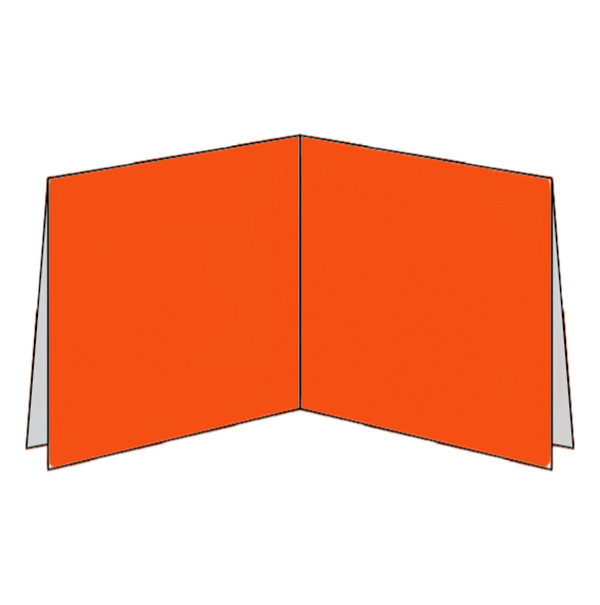
Right Angle/Cross Folding
A Right Angle or Cross Folding booklet involves folding a sheet of paper in half twice, with the folds at right angles to each other. This type of folding creates a compact and neat design that can be easily opened to reveal additional content.
This method is great for compact booklets that still allow for a lot of information and a visually engaging experience.
BI/Half Folding
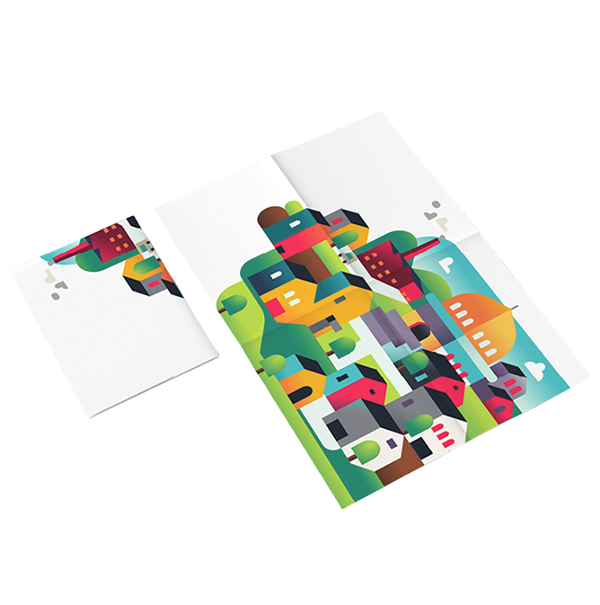
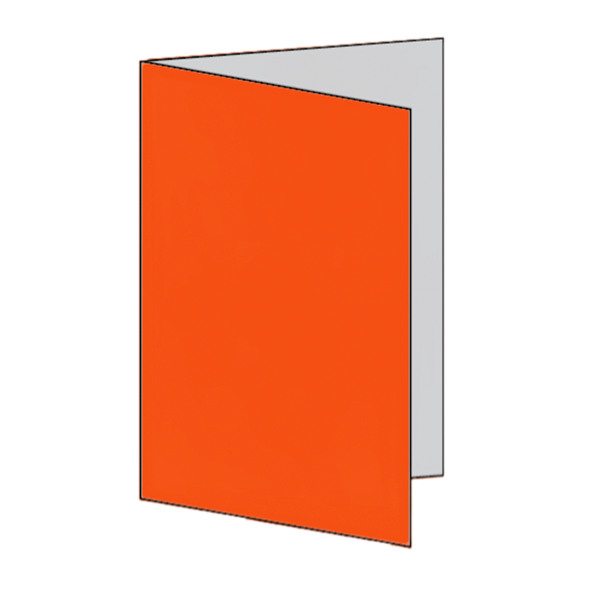
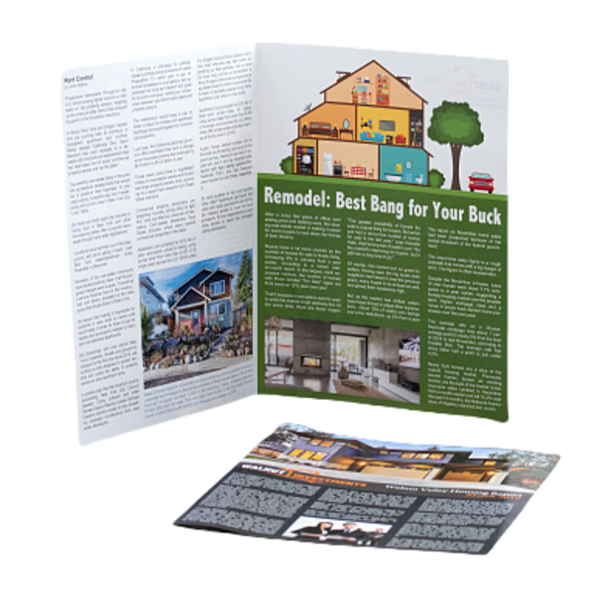
BI/Half Folding is a simple technique where a page is folded once down the center to create a four-page document. This method is often used for brochures or simple booklets.
After folding, each side of the page becomes a new panel, providing a total of four separate pages for printed content. This approach is efficient, cost-effective, and is the most affordable booklet in our options.
Z Folding
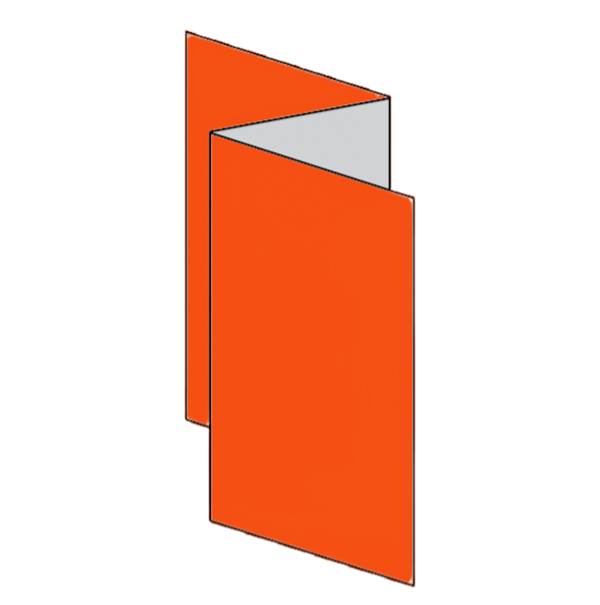
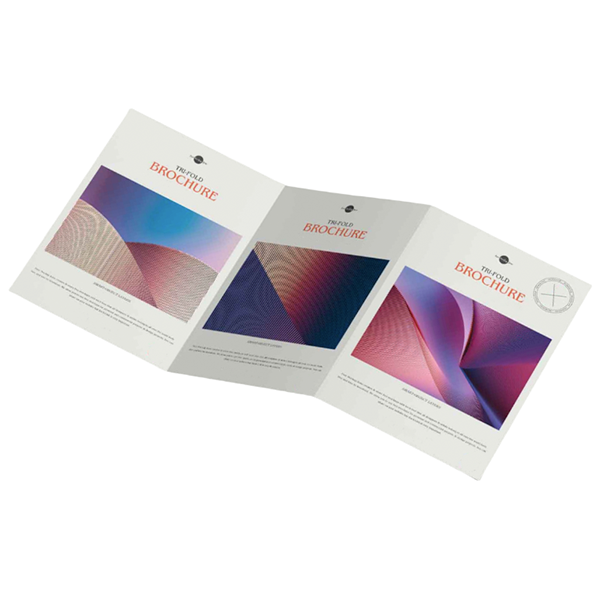
A Z fold is made by folding a sheet of paper twice, with the edge panels folded in opposite directions. This creates a shape resembling the letter “Z” when viewed from the side.
The Z fold offers a unique and engaging way to organize information, allowing for multiple sections to be displayed in a single document while maintaining a compact, dynamic format.
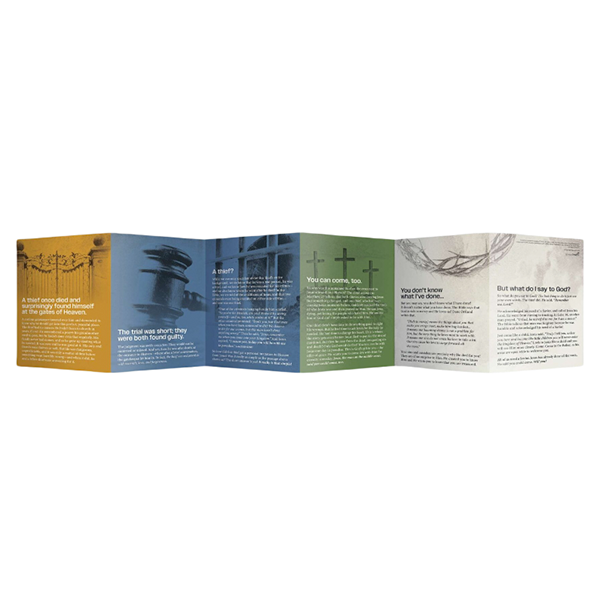
Concertina/Accordian Folding
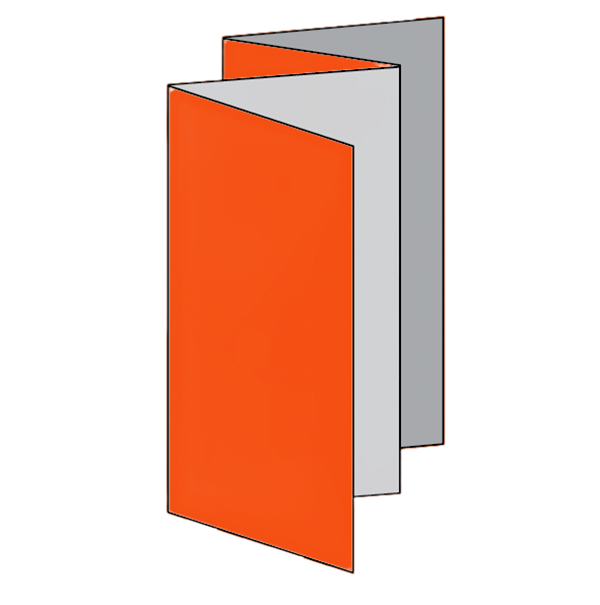
A concertina or accordion fold is achieved by folding a sheet of paper in alternating directions, creating a series of parallel panels that can expand and contract like an accordion.
This folding technique is highly flexible, allowing the document to stretch out to its full length while remaining compact when folded. However, after a certain number of pages, it can become cumbersome and difficult to read.
Binding Booklets
For booklet printing with a larger page count, you need something sturdy to keep them together. This is where the art and craft of binding come into play. Besides its obvious practicality, a well-bound document has great aesthetic appeal, taking your card deck to the next level.
Saddle Stitch
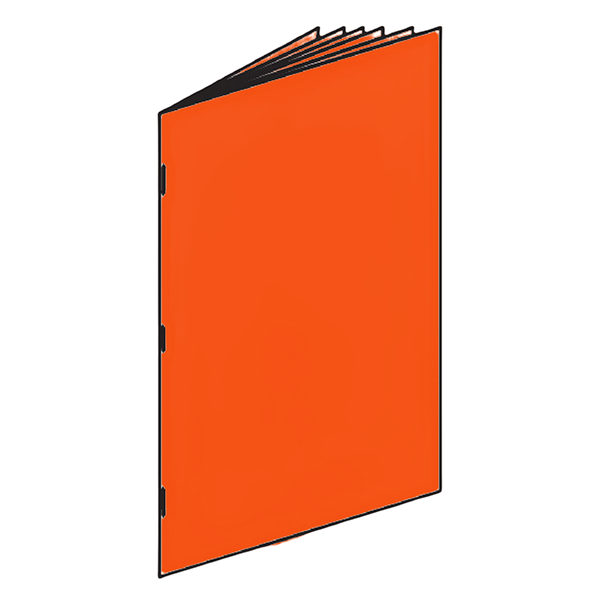
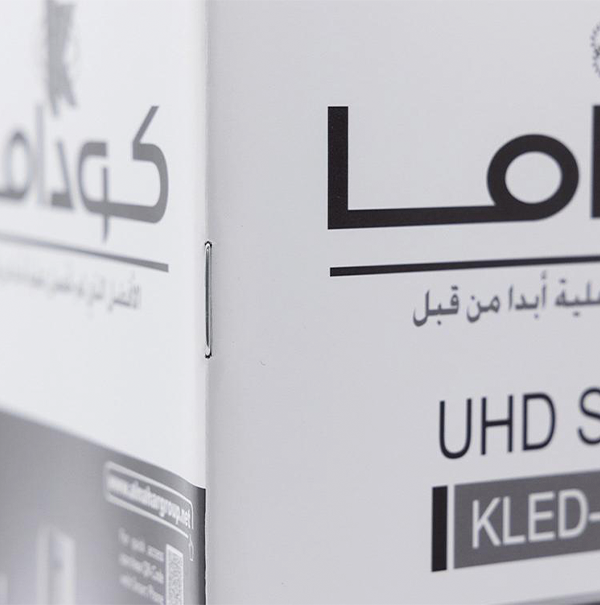
Staples booklet printing, also known as saddle-stitching, is one of the simplest and most cost-effective ways to secure printed sheets of paper that have been folded in half.
With saddle-stitching, staples are used along the fold line to hold the pages together, creating a sturdy and professional-looking result. It offers a professional touch while maintaining an efficient and budget-friendly binding process.
Perfect/Sewn Binding
For PUR edges, we provide two common methods:
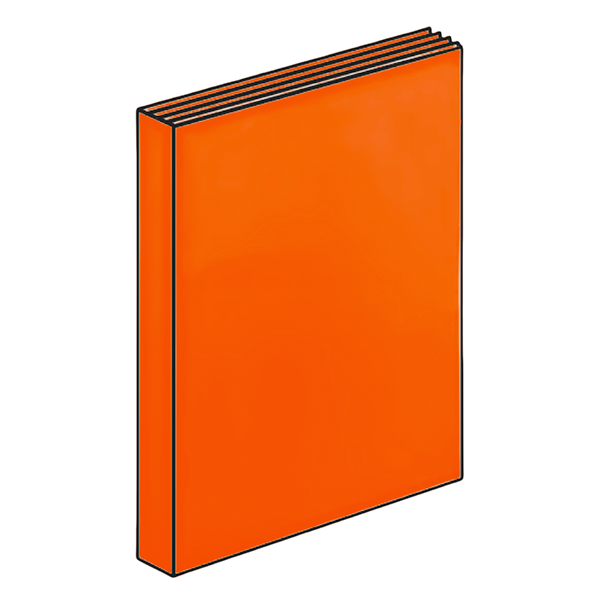
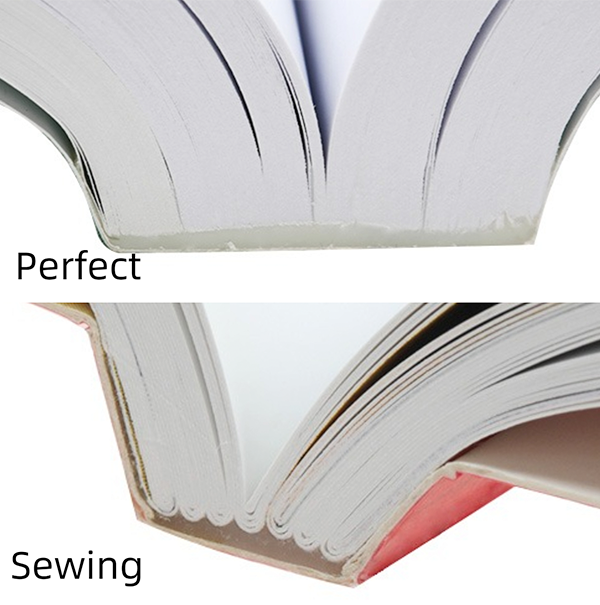
Perfect bound booklet printing involves gluing the edges of the pages together along the spine. It has relative affordability and quick production time, but it’s less durable than sewn binding.
Sewn binding (section sewing or case binding), involves stitching the pages together with strong thread, then the sewn sections are then attached to a cover. It can usually lie flat when open, making them easier to read and use, but it’s more expensive and time-consuming.
Tips:
When customizing the number of pages for your booklet design, please note that for folding booklets, only multiples of 2 pages are allowed; and for bound booklets, the number of pages must be a multiple of 4. For more information, see our Standard Artwork Templates.